
Yoga beats sleeping pills: Ancient practice adds nearly two hours of sleep for insomnia sufferers
Millions of Westerners lie awake at night, trapped in a cycle of exhaustion and frustration as insomnia robs them of rest. While Big Pharma pushes expensive pills and therapists advocate costly cognitive behavioural therapy (CBT), a groundbreaking study reveals a simpler, more natural solution: yoga.
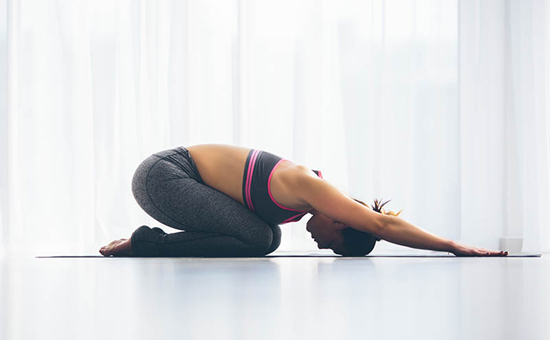
Published in BMJ Evidence-Based Medicine, the research confirms what the traditional spiritual practices have already proven long ago. Ancient consciousness-body practices like yoga and tai chi outperform modern medical interventions, offering nearly two extra hours of sleep without side effects or dependency risks.
Insomnia isn’t just an inconvenience; it’s an international health crisis. In the U.S., between 4 percent and 22 percent of adults suffer from chronic sleeplessness, fuelling a $100 billion drain on the economy through lost productivity and increased healthcare costs.
The Centers for Disease Control and Prevention (CDC) warns that poor sleep heightens risks for depression, heart disease and even Alzheimer’s. Yet instead of turning to proven, holistic solutions, the medical establishment has defaulted to prescription sedatives that carry addiction risks, or therapy sessions that many can’t afford.
The study, led by researchers at Beijing University of Chinese Medicine, analysed 22 clinical trials involving 1,348 insomnia patients. The results were striking: yoga practitioners gained an average of 110 extra minutes of sleep per night, far more than those relying on standard treatments like sleep hygiene advice or stretching. Participants also fell asleep 29 minutes faster and woke up less frequently.
Unlike high-intensity workouts, which can overstimulate the body before bed, yoga’s gentle postures, controlled breathing and meditation activate the parasympathetic nervous system – the body’s natural “rest and digest” mode. This counters the hyperarousal state that keeps insomniacs awake.
Tai chi – a slow-moving martial art – also delivered impressive results, adding 52 minutes of sleep with benefits lasting up to two years. Meanwhile, walking or jogging proved beneficial for combating daytime fatigue, reducing insomnia severity scores by nearly 10 points.
Yoga: The surprising sleep champion that beats drugs
Drug treatments for insomnia are not without their side effects, and CBT isn’t always available due to the shortage of trained therapists, explain the researchers. Sleeping pills, though quick-acting, come with risks like dependency and next-day drowsiness. In contrast, yoga practice is accessible and free of side effects.
The study’s lead author, Dr. Zhijun Bu, emphasized that this natural intervention aligns with the body’s biology: “It is nature’s sleeping pill.” Unlike pharmaceuticals, yoga doesn’t just mask symptoms – it addresses root causes like stress and nervous system dysregulation.
Historically, Western medicine has dismissed Eastern practices as “alternative” rather than mainstream. But as research mounts, even sceptics should acknowledge their efficacy. The study’s findings challenge the status quo, suggesting that public health guidelines should prioritize yoga as a first-line insomnia treatment.
In an era where Big Pharma profits from perpetual prescriptions, this study is a wake-up call. Yoga, tai chi and walking cost nothing, empower people and come with bonus benefits – improved mood, stronger immunity and reduced inflammation.
yogaesoteric
July 22, 2025