
Breakthrough: Scientists discover new neuron formation in aging brains
For decades, scientists believed the human brain stops producing new neurons after childhood. But a groundbreaking study from Sweden’s Karolinska Institute has shattered that assumption, proving that even in old age, the brain continues to generate fresh cells – a discovery that could revolutionize treatments for Alzheimer’s, depression and cognitive decline.
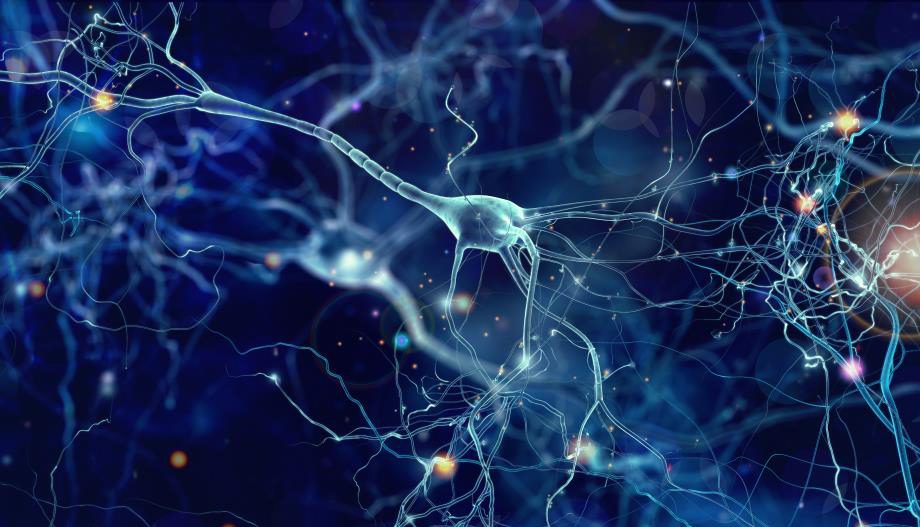
The findings, published in Science, provide the most definitive evidence yet that neurogenesis – the birth of new neurons – persists throughout adulthood. By analysing brain tissue from donors ranging from infants to adults 78 years old, researchers identified clusters of immature brain cells in the hippocampus, the brain’s memory hub. This revelation not only rewrites neuroscience textbooks but also offers hope for millions struggling with neurodegenerative diseases.
The brain’s hidden workshop
The hippocampus, a seahorse-shaped structure deep in the brain, is crucial for memory and learning. Previous studies in animals confirmed that neurogenesis occurs there, but human evidence remained controversial. Some researchers argued that adult brains lose this ability, while others insisted it continues, just at a slower pace.
Now, the Karolinska team has settled the debate. Using cutting-edge techniques like single-nucleus RNA sequencing and machine learning, they pinpointed neural progenitor cells – the “starter cells” that develop into neurons – in adult brains. These cells showed genetic markers of active division, proving they were still generating new neurons.
Why a few cells matter
Even in older brains, where these cells were sparse, their presence was significant. New neurons are more adaptable than mature ones, forming fresh connections that aid in learning and memory retention. This plasticity explains why some elderly individuals maintain sharp cognition while others decline rapidly.
Interestingly, the study revealed stark personal differences. Some 78-year-olds had abundant new cells, while others had almost none. Genetics, stress and lifestyle likely play a role, a finding that underscores the importance of brain health throughout life.
A link to disease – and hope for treatment
One surprising case involved a patient with an unusually high number of new neurons but who also had epilepsy. Previous research suggests excessive neurogenesis may contribute to seizures, highlighting that more isn’t always better. Still, the discovery opens doors for therapies that could stimulate controlled neuron growth in damaged brains.
Current treatments for Alzheimer’s and Parkinson’s merely slow decline rather than replace lost neurons. If scientists can harness neurogenesis, they might one day regenerate brain tissue, reversing damage from injury or disease.
The future of brain health
This research also shifts how people should view aging brains – not as stagnant organs but as dynamic systems capable of renewal. The implications are profound: lifelong learning, psychic stimulation and healthy living may preserve cognitive function far longer than previously thought.
For years, the dogma was clear: Brain growth stops in childhood. Now, science has proven otherwise. The adult brain, even in advanced age, retains the ability to regenerate. This discovery doesn’t just rewrite textbooks; it offers real hope for healing neurological disorders and preserving psychic sharpness into old age.
As research continues, one truth becomes undeniable: The brain is far more resilient than people ever imagined. And that’s news worth remembering.
yogaesoteric
July 31, 2025
Also available in:
 Română