
Canada detonates the next bomb of Agenda 2030 – the digital muzzle is set to become reality and will soon hit Europe
A new law combines digital ID and opinion surveillance into an instrument of total control – and this is precisely the model that is to be introduced worldwide.
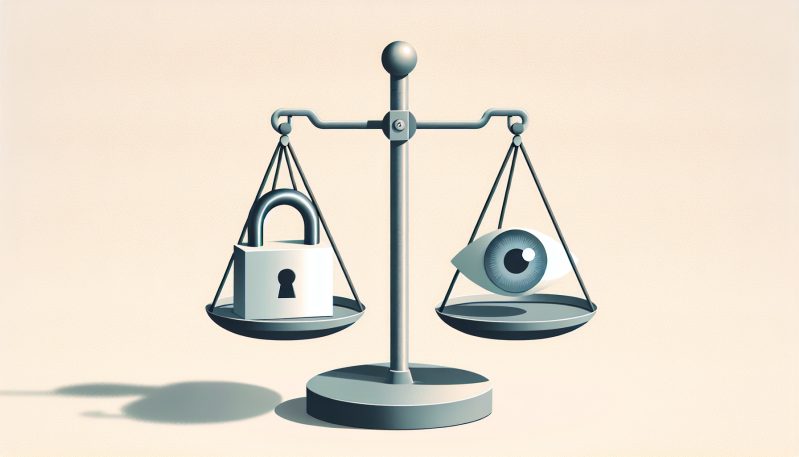
Canada is poised to pass a law that critics are calling a new era of digital control – and one that could have repercussions far beyond its borders. On October 1, a bill was introduced in Ottawa that grants the government unprecedented powers: Anyone who shares the “wrong” ideas online could literally be erased from their digital lives.
From Agenda 2030 to digital emergency
Speeches and documents increasingly refer to the Great Reset, the Fourth Industrial Revolution, and Agenda 2030. Regardless of the name, all these programs pursue the same goal – complete control over language, behaviour, and digital access. Canada is now demonstrating how far this plan has progressed.
The new bill gives the Minister of Industry the authority to revoke internet and telephone access to any Canadian – without a court order, based solely on “probable cause.” The text of the bill states that the Minister can prevent “any threat to the Canadian telecommunications system” by prohibiting providers from providing services to specific persons.
Indefinite concepts – unlimited power
What is sold as a protective measure opens the door to arbitrary censorship. The term “any threat” is so vague that it can be applied to almost anything – from cyberattacks to unwelcome criticism of the government.
One MP warned that even dissenting opinions or political opposition could be classified as an “existential threat to democracy.” The ministry would then have the power to “kick off the internet” affected citizens and block their telephone services – without transparency and without recourse.
Even more worrying: The law allows the existence of such blocking decisions to be kept secret. Anyone who learns that their connection has been deactivated is not even allowed to talk about it.
The digital gulag – when dissent becomes a crime
Critics speak of a “digital gulag.” Anyone who incurs the government’s wrath could be virtually wiped out in a society that is almost entirely digitalized. Without the internet or mobile phone, it would be impossible to pay bills, check account balances, or identify oneself online.
Since more and more government and private services are now operating only digitally, such exclusion would effectively mean the loss of livelihood – and that, observers warn, is precisely part of the agenda.
Digital identity as a lever of control
In parallel with this law, Canada is working on introducing a national digital identity that will be linked to all online activities. According to the World Economic Forum, the digital ID is a key building block for the Internet of Things, economic infrastructure, justice, logistics – and, in the future, for the civil right to social participation.
Anyone who does not have a digital ID or loses it could be excluded from key areas of public life – from communications to energy supply.
A global experiment
The combination of access control, opinion surveillance, and digital identity reminds many of the systems of authoritarian states. But it is now emerging in the West – in the name of security, sustainability, and “protection against disinformation.”
Senator Rand Paul is warning of a similar development in the US. The so-called Real ID Act transforms driver’s licenses into digital surveillance tools. Paul calls it a “federal overreach” and warns: “No citizen should need a permit to be free.”
Outlook: What begins in Canada does not end there
Australia, the UK, and soon the US are facing similar projects. In Australia, for example, users will soon only be able to access Google or virtual communication networks if they verify their identity with the government.
What is being prepared in Canada could thus become the prototype for a Western infrastructure of digital control – a global model that claims to create security but ultimately stifles freedom and diversity of opinion.
Conclusion
Canada demonstrates how closely intertwined Agenda 2030, digital identity, and censorship policy are. Behind euphemistic terms like “protection from threats,” a system is emerging that can silence anyone who defies the official line. If this trend is not reversed, a future in which dissent is not only unwelcome, but technically impossible, threatens.
yogaesoteric
October 19, 2025