
Global control over our food is now to be implemented: WHO and the EAT-Lancet Commission publish the diet of the future
The publication of the new EAT-Lancet 2.0 Commission and the accompanying remarks from WHO Director-General Tedros Adhanom Ghebreyesus heralded something that goes far beyond health policy. Behind terms like “equitable food systems” and “planetary health” lies a radical restructuring of global food production – orchestrated by the same actors who already dictated global health policies during the pandemic.
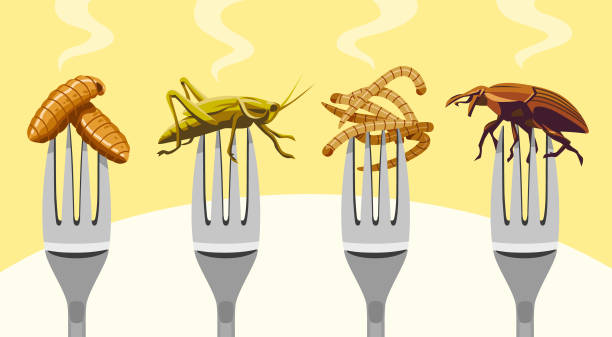
The message: “Transformation” sounds friendly, but in this context, it means control
Tedros speaks of “food systems transformation” that needs to be “inclusive and equitable.” What sounds harmless is, in fact, a political restructuring plan.
The WHO, together with the EAT-Lancet Commission and partner organizations (including foundations of Bill Gates, Rockefeller and Bloomberg), wants to set global standards for:
- what constitutes a healthy diet,
- which products are permitted or restricted,
- which manufacturers are given preference.
The planned “operational definition of ultra-processed foods” lays the foundation for a global regulatory instrument. Products could, like tobacco, be labelled with warnings, heavily taxed, or banned altogether.
But who defines what is “ultra-processed”? The same institutions that are closely intertwined with the lab-grown meat, insect, and protein substitute industries.
The new food policy: “Healthy, safe, sustainable” – but not free
Tedros cites three key words: healthy, safe, sustainable. In practice, this means:
- Milk and eggs should be drastically reduced.
- Animal products are considered harmful to the climate and should be replaced by patented alternatives (highly processed in labs).
- Centrally determined nutritional recommendations could form the basis for digital rationing systems – linked to climate targets or CO₂ quotas.
The WHO Director General announces that his organization is “working with countries” to “transform food environments.” This means that states should adapt their laws and subsidy systems to the requirements of international commissions.
The mechanism: From the definition of health to the control of consumption
The WHO is preparing three policy tools in parallel with the EAT-Lancet agenda:
- Global definition of “ultra-processed foods” → legal basis for bans, taxes, advertising restrictions.
- New guidelines for animal products → for example, determine how much milk is considered “healthy” – and what is “excessive”.
- Linkage with trade, climate and agricultural policy → those who comply with the rules gain access to markets and subsidies – those who do not lose them.
In combination with the WHO’s “One Health” principles, nutrition becomes part of global health governance – what you eat becomes a question of climate, public policy, and ultimately political conformity.
The ideology: health as a cover for power
Officially, it’s about “justice” and “sustainability.” But the language betrays its technocratic core: “We are here to support you – with evidence, guidance and partnerships.”
These “partnerships” are not democracies, but public-private alliances:
- Corporations such as Nestlé, Unilever and Cargill,
- Foundations like Gates or Bloomberg,
- Platforms such as the World Economic Forum,
- and organizations such as the WHO and FAO.
Together they form a global administrative layer that – similar to vaccination programs – sets standards without democratic control.
The consequence: Human beings as part of the food system
The “transformation” affects not only what ends up on our plates, but also how consumer behaviour is controlled. Digital traceability, CO₂ accounting, and smart IDs will allow us to monitor our diet and lifestyle in the future. A “healthy citizen” will then be someone who follows a healthy diet, as imposed by the authorities.
Thus, the idea of planetary health becomes the blueprint for a global food policy from above – under the pretext of saving the planet, but with the result of controlling the people.
Conclusion: The silent coup over the plate
The WHO and the EAT-Lancet Commission present themselves as guardians of health and sustainability, but they hide the true core of their agenda:
- centralized control of nutrition,
- standardization of lifestyles,
- technocratic control over basic human needs.
The warning is written in black and white: “We are here to support you……. with guidance, partnerships, and evidence.”
But behind the rhetoric of health and justice lies a question of power: Who decides what we are allowed to eat?
yogaesoteric
October 23, 2025