
Hidden salt in your diet: How to cut back without sacrificing flavour
While much of the public focuses on the high salt content in processed foods and meals eaten outside the home – which account for roughly 75 percent of dietary salt intake – experts warn that the salt we add ourselves at home also contributes significantly to daily consumption.
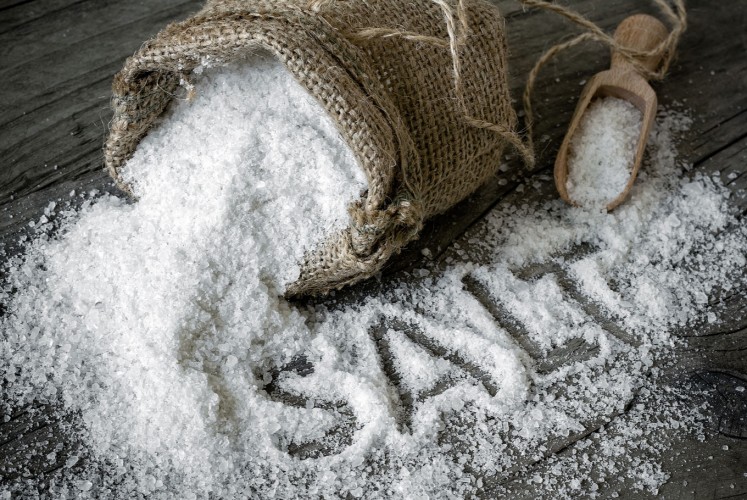
England’s National Health Service (NHS) recommends adults consume no more than six grams of salt per day, roughly one teaspoon. Yet research shows that many adults exceed this limit, averaging 8.4 grams daily. Excess salt can lead to water retention in the bloodstream, raising blood pressure and increasing the risk of serious health issues such as stroke, heart attack, osteoporosis and even stomach cancer. Unlike sugar, whose effects on weight, skin, mood and dental health are more visible, the dangers of too much salt are largely hidden, making it an often-overlooked threat.
Leading U.K. nutritionists say that cutting back on salt does not have to mean sacrificing flavour. Rhiannon Lambert, a Harley Street nutritionist and author of The Science of Nutrition book, emphasizes that small improvements in seasoning and cooking techniques can significantly reduce salt intake while keeping meals enjoyable. One effective strategy is to replace salt with herbs, spices and umami-rich ingredients such as mushrooms, tomatoes and fermented foods. Dr. Federica Amati explains that these natural sources of umami enhance flavour without the need for extra sodium. Research also suggests that certain herbs and spices, when used in moderation, can help reduce blood pressure and maintain stable blood sugar levels.
Spices like turmeric and cumin have anti-inflammatory properties, garlic may reduce harmful cholesterol and cinnamon has been linked to lower blood sugar levels, according to Dr. Carrie Ruxton. Small adjustments such as these can help people stick to a healthy salt intake without feeling deprived of the good taste of food.
Taming hidden salt: How to spot sneaky sodium in processed foods and condiments
Processed foods and hidden salt sources remain major contributors to overconsumption. Breakfast cereals, often marketed as healthy, can be surprisingly high in salt, particularly as manufacturers reduce sugar levels and compensate with sodium to maintain flavour. Ultra processed vegan burgers and fake meats are also containing emulsifiers, stabilizers, flavour enhancers and added salt. Lambert recommends building meals around whole foods such as beans, lentils, grains and vegetables, which allow better control over seasoning.
Increasing potassium consumption further aids in counteracting the detrimental effects of excessive sodium intake. Potassium facilitates the body’s elimination of sodium, potentially lowering blood pressure independently of salt intake. Foods abundant in potassium include bananas, spinach, potatoes, kidney beans and tomatoes. To incorporate more potassium into your diet, aim to fill half your plate with vegetables at lunch and dinner, accompanied by a minimum of two servings of fruit daily.
Condiments and sauces also contribute significantly to hidden salt intake. Soy sauce, ketchup, salad dressings and stock cubes can quickly push daily consumption over the recommended limit. Reduced-salt versions or measuring portions can help, while alternatives like balsamic vinegar, lemon juice, tahini or yogurt-based dressings add flavour without the added sodium. Nutritionists stress the importance of gradually reducing salt so that taste buds can adapt. Small, consistent reductions allow people to enjoy flavourful meals while protecting their long-term health.
yogaesoteric
November 28, 2025