
The EU paid €1 billion to the media: Here is the list of journalists and fact-checkers and how much they received
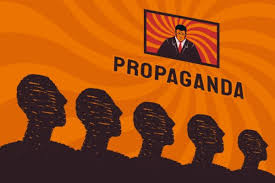
The leadership of the European Union (EU) is funding media to promote the Brussels agenda, reveals a report by the European think tank MCC Brussels entitled: The Media Machine of Brussels: Financing European Media and Shaping Public Discourse.

The EU channels huge amounts of public money into media projects across Europe and beyond – amounting to almost €80 million a year, or almost €1 billion over the past decade – often with the explicit aim of promoting pro-European policies.
This is probably an underestimate: In addition to the funding EU media receive directly from the European Commission (€50 million per year) and the European Parliament (€10 million per year), funds also go to non-EU countries. Ukraine alone was allocated €10 million in 2025.
The report focuses exclusively on official EU media funding programs and does not include indirect funding channels such as advertising and communication contracts awarded to marketing firms that channel funds to major media outlets.
Financing European media
Through the Journalist Partnerships program alone (budget: up to 50 million euros), the EU manages a large ecosystem of “cooperation” with media projects: from pro-European advertising campaigns and “investigative journalism” to large-scale programs to combat “fake news.”
Of particular note is the close role of public broadcasters. The report speaks of a “semi-structural interrelationship between EU institutions and public media networks.”
EU-funded media
Here is a list of EU-funded media organisations, agencies and media projects included in the report, systematically arranged by country, with the respective funding amounts (where indicated):
Italy
- Il Sole 24 Ore: €1.5 million
- GEDI Gruppo Editoriale (including La Repubblica): €190,000
- Internazionale (magazine): €180,000
- Domani (daily newspaper): €100,000
- ANSA (news agency): €5.6 million
- Rete Blu (Regional Media): €300,000
- Linkiesta (online media): Part of the “Wounds of Europe” project (funded by Stars4Media)
- La Repubblica (“Europe, Italia” project): €260,000
- Controradio (regional radio): €85,000
- Bulle Media (podcast partner for “Wounds of Europe”)
- OBC Transeurope (Project MOST)
- RAI Radiotelevisione italiana (public broadcaster): €2 million
- Ciaopeople Media Group (EP election campaign 2024): €150,000
- Il Sole 24 Ore (Project Puls): Part of PULSE (€1.8 million total)
France
- ARTE (cooperation with German media): €26 million
- France TV (public broadcaster): €400,000
- France Médias Monde: €16.5 million
- France Télévisions (EP communication campaigns): €1 million
- Libération, 20 Minutes, MediaConnect: Collaboration with EDMO-Hub
- Reporters Without Borders: €5.7 million
- Dernières Nouvelles d’Alsace (EP election campaign 2024): €150,000
- El Periódico de Catalunya (Spain/France as partner): €175,000
- Maldita.es (fact-checking project)
- Voxeurop (Europe-wide project): €290,000
- European Cultural Foundation/Media projects (including Display-Europe): Part of €2.3 million funding
Germany
- Deutsche Welle: €35 million
- Bavarian Broadcasting: €600,000
- ZDF: €500,000
- n-ost (journalistic network): €1.5 million
- German Press Agency (dpa): €3.2 million
- Tagesspiegel (in European Focus)
- CORRECTIV (fact check)
- Thomson Foundation (Project MIE)
- BR, ARD (in European media projects)
- Reporters Without Borders (cooperation partner)
Spain
- Agencia EFE: €2 million
- RTVE (public broadcaster): €770,000
- 20minutos.es (“Youth and the European Elections”): €100,000
- El Confidencial (in the PULSE project)
- Maldita.es (fact-checking project)
- Voxeurop (Europe-wide project)
- Europa al día (“Cohesion Policy” project): €300,000
- Project Iberian Stories (EFE & Lusa): €270,000
Poland
- Gazeta Wyborcza: 105,000 €
- Polish Press Agency: €500,000
- Fundacja Osrodek Kontroli Obywatelskiej Oko (Project EthProMedE)
- Bonnier Business Poland (European Funds project): €220,000
- Gazeta Wyborcza (PULSE project)
- College of Europe (MOST Project)
- Fundacja Reporterow (Collaborative Journalism Initiative Project)
Portugal
- Lusa News Agency: €200,000
- RTP (public broadcaster): €1.5 million
- Iberian Stories (EFE & Lusa, Spain-Portugal Transition Region): €270,000
Hungary
- 444.hu: €1.1 million
- HVG (as media partner in European projects)
- MediaResilience (Open Society Institute, Bulgaria): €2 million to support media in Hungary, among others
Belgium
- RTBF: €675,000
- Journalismfund Europe: €2.6 million
- European Cultural Foundation (partner in media projects)
- RTBF (EP communication campaigns)
- Balkan Investigative Reporting Network (in the MOST project)
- Eurodyssée (Belgium): €175,000
Lithuania
- Various media partners (Pulse of Europe): €285,000
- Lithuanian Radio and Television (partner in MediaFit Ukraine project)
Czech Republic
- Economia: €1.1 million
- Deník Referendum (in the PULSE project)
- Ustav nezavisle zurnalistiky (EthProMedE project)
Slovenia
- RTV (public broadcaster): €80,000 to €280,000 in various projects
- I know EU 2024 campaign: €80,000
Romania
- PressOne: €111,000
- Știrile Transilvaniei (in Project “Connecto”)
- Hotnews (in the PULSE project)
Croatia
- HINA (news agency)
- MediaResilience (Open Society Institute)
Greece
- Kathimerines: €150,000
- Macropolis (“Future is Blue” project)
- MediaResilience (Open Society Institute)
Austria
- APA (Austria Press Agency)
- The Standard (EP communication campaign): €175,000
- ROD24 – Reporting on Democracy: €67,500
Denmark
- TV2: €900,000
- Ritzau (news agency)
Estonia
- ERR: 1 million €
- Delfi (Project PULSE)
- European Journalism Centre (among others in IJ4EU)
Sweden
- TT (Swedish News Agency)
- SR (public law)
Netherlands
- ANP (news agency)
- EURACTIV (LucidAREurope project)
- Bellingcat: €440,000
- Tactical Tech, Stichting European Journalism Centre (Projects)
- MOST (project with participation)
Bulgaria
- BTA (news agency): €300,000
- MediaResilience: €2 million
- Mediapool (Project PULSE)
- Bulgarian National Radio (EP campaign): €98,000
Ukraine
- Suspilne (public broadcaster): over €16 million
- MediaFit Project: €4 million
- Various EU4IM programs (including projects with DW Akademie)
Influence beyond EU borders
Other countries and media partners in multinational EU projects:
- Albania: ATA (news agency)
- North Macedonia: MIA
- Bosnia and Herzegovina: FENA, Balkan Investigative Reporting Network
- Serbia: Tanjug
- Azerbaijan: APA
- Georgia: DW Akademie, Media Development Foundation
- Moldova, Armenia, Belarus (media supported by EU programs)
Pan-European media and platforms
- Euronews: approximately €230 million since its founding
- Euractiv: €6 million
- Eurozine: €1.5 million
- European Newsroom (consortium of 24 agencies): approx. €1.7 million
- European Digital Media Observatory (EDMO): at least €27 million
- Various cross-border projects (e.g. Stars4Media, Journalism Partnerships): almost 50 million €
This list is based on the data published in the report and includes both direct EU funding to media and key projects active in several countries.
Conclusion of the report
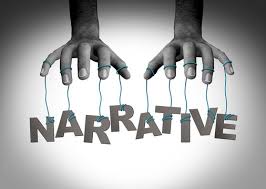
“The EU creates financial dependence, stimulates narrative conformity, and fosters an ecosystem in which dissenting voices are marginalized – all in the name of fighting disinformation and promoting European values.”
The report warns of a systemic conflict of interest: Even without direct intervention in the editorial departments, the structural dependence on EU funds is sufficient to weaken critical reporting and align the media with Brussels’ official line.
yogaesoteric
September 18, 2025