
The secret of transplanted consciousness – when organs transfer more than just their function
When organ transplants first became possible, doctors celebrated them as one of medicine’s greatest achievements – literally giving someone the gift of life through another’s ultimate sacrifice. What no one expected, however, was that along with functioning organs, something far more mysterious could also be transferred: aspects of the donor’s consciousness, personality, memories, and even abilities.
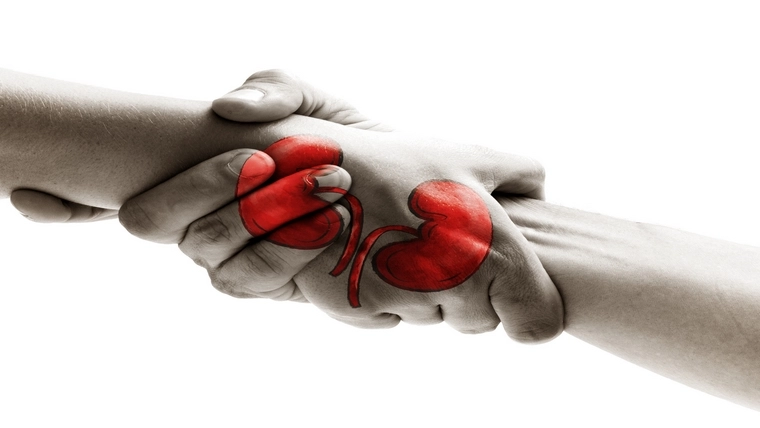
Evidence for this phenomenon has been accumulating for decades, yet conventional medicine largely ignores it because it challenges fundamental assumptions about the origin of consciousness. If memories and personality traits can be stored not only in the brain but also in organs, this would completely revolutionize our understanding of human consciousness.
The reality of life with transplants
Although transplants are often described as a chance to a new life, they are far from perfect. The failure rates tell a sobering story:
- Lungs –4% within one year, 72% within 10 years
- Heart – 8% within one year, 46% within 10 years
- Kidney – 5% within one year, 46.4% within 10 years
- Liver –6% within one year, 32.5% within 10 years
Given these risks, patients need to adhere to extremely strict protocols. They have to spend between $10,000 and $30,000 annually on immunosuppressant drugs, undergo constant blood tests, and do everything possible to avoid infections. The immunosuppressant drugs have side effects ranging from mild tremors and headaches to severe infections, kidney damage, and metabolic disorders. Corticosteroids, used in transplant treatment, have even more extensive side effects.
Vaccination policies became controversial during covid pandemic, when people were denied transplants for refusing vaccinations (and in some cases, were seriously injured when they eventually got vaccinated). What frustrated me most was that no one mentioned that the covid vaccine might actually increase the risk of transplant rejection by triggering autoimmunity, or that numerous publications have since confirmed this link.
One reader reported: “I cared for a patient who had a kidney transplant 9 years ago, then received his covid vaccination and suffered spontaneous organ rejection, so the kidney had to be removed. According to other nurses, this is occurring more and more frequently.”
Beyond these medical challenges, transplant patients face something even stranger – significant psychiatric changes that suggest something profound is being transferred along with the organs.
The secret code of the heart
Dr. Benjamin Bunzel from the Vienna University Hospital examined 47 heart transplant patients and found that while 79% reported no personality modifications (although they showed signs to the contrary), 6% reported significant personality changes that they directly attributed to their new heart. These persons felt compelled to adapt to what they perceived as memories of the donor.
In a more comprehensive study, approximately 10% of heart transplant recipients reported experiencing emotions that they believed originated from their donor.
Paul Pearsall’s groundbreaking research
The most comprehensive study was conducted by neuropsychologist Paul Pearsall, who himself had received a bone marrow transplant. For The Heart’s Code, he interviewed 73 heart transplant recipients, 67 recipients of other organs, and the families of 18 deceased donors.
 Pearsall reflected: “When I listen to the recordings of my interviews with heart and heart-lung transplant recipients and the donor families, I am still surprised by what they told me.” He identified consistent patterns:
- Traumatic memory transference – The recipients repeatedly remembered the death of their donor through dreams or physical sensations, even though they knew nothing about the donor.
- Preference changes – Dramatic modifications in taste in food and music that corresponded to those of the donor – for example, vegetarians became meat eaters.
- Changes in sexual orientation – One of my colleagues has a male patient who received a female heart and then felt the urge to become a woman – something he had never considered before the transplant. Similarly, a reader reported that after a pig heart valve transplant, “his wife noticed that her husband had gone from a normal loving amorous life to a daily need for multiple sexual encounters.”
- Overwhelming emotions – A surgeon from Yale documented the statement of one recipient: “I can sit here and feel fine, and suddenly it clicks and I get nervous. Something in my body changes as if someone has pressed a button.”
The most extraordinary cases
Pearsall documented several cases so remarkable that they seem almost impossible. Given his meticulous source citations and his published, independently reviewed scientific work, these cases deserve serious attention.
- The artist’s heart – The Daily Mail reported on William Sheridan, whose drawing skills had remained “at a kindergarten level” until his heart transplant. Suddenly, he was able to create beautiful drawings of wildlife and landscapes. His donor had been an avid artist.
- The “copacetic” connection – A doctor whose husband David died in a car accident later met a transplant recipient. The recipient whispered to her, “I love you. Everything is copacetic.” The recipient’s mother revealed, “My son now constantly uses the word ‘copacetic.’ Before he received his new heart, he never used it.” This had been the couple’s secret signal.
- The violin case – A 47-year-old foundry worker received the heart of a 17-year-old black student and developed a fascination with classical music. Initially, he rejected any connection (thinking his donor preferred rap), but later learned that the donor had died on his way to violin lessons, clutching his violin case.
- Complete transformation – One recipient experienced several modifications – she felt the donor’s fatal car accident in her chest, became a vegetarian after previously being “McDonald’s biggest money-maker”, and transformed from homosexual to heterosexual: “After my transplant, I am no longer……. I have absolutely no desire to be in a lesbian relationship with a woman.”
In rare cases, heart transplant recipients can meet their donors due to a phenomenon known as “domino transplantation,” in which a patient with failing lungs receives a heart and lungs at the same time and then donates their heart to someone else.
When Pearsall interviewed a heart transplant recipient (Fred) and his donor (Jim), both wives noted that their husbands had adopted personality traits of their heart donor (e.g., the depression and romanticism of Jim’s now deceased donor) and that Fred regularly and unconsciously mistook his wife for Jim’s wife.
A longer list of some of the most compelling cases Pearsall encountered can be found in his published article. Many of the themes mentioned above are reflected in the stories in the article (e.g., the donor’s communication with their family about the recipient and the transfer of the donor’s talents, fears, or memories to the recipient).
Furthermore, a short documentary about Pearsall’s work shows live testimonies from transplant recipients confirming that these inexplicable transfers of consciousness do indeed take place.
Note: Numerous readers have also informed me that although they had not undergone a transplant, they had received extensive blood transfusions (e.g., to save them from otherwise fatal traumatic blood loss) and that they had noticed some of the personality modifications described in this article, although not to the same extent as in Pearsall’s cases. This could suggest that part of our personality is contained in the information in our blood – which aligns with the ideas put forward in long-forgotten Russian research on the complete capabilities of the heart.
The sensitive receivers
Since most heart transplant recipients do not report dramatic modifications, Pearsall investigated what makes some people susceptible to personality transfer. He identified eighteen traits that susceptible persons often share:
- Female perspective (all but two were women)
- Malleable consciousness (“adapters” vs. “assimilators”)
- Body awareness (high kinaesthetic intelligence)
- Music lovers (especially classical music)
- High creativity (vivid imagination)
- Environmental awareness (high attention to the surroundings)
- Good visualization skills (accurate description of the donors)
- Clairvoyant (described as sensitive before transplantation)
- Dependent (trusting, therapy experience)
- Obsessive-compulsive (self-critical, diligent)
- Unresolved grief (past emotional ruptures)
- Animal lovers (believed that animals are sentient)
- Climate sensitive (loved nature, talked to plants)
- Highly engaged (lost track of time during activities)
- Pronounced daydreaming (dreamed of donors after transplantation)
- Very sensual (enjoyed physical affection)
- Ectomorph (slender, narrow face)
- “Going with the flow” vs. “fighting” (went with the flow vs. controlled)
Note: Many characteristics are consistent with my observations in (often hypermobile) persons who are more susceptible to drug reactions – the “sensitive patients”.
Other organs and Chinese medicine
Pearsall also observed personality modifications in liver and kidney recipients, albeit less dramatic ones. In Chinese medicine, emotions are thought to originate from specific organs: anger from the liver, sadness from the lungs, joy from the heart, pensiveness from the spleen, and fear from the kidneys. My colleagues who work with transplant recipients find that emotional modifications generally coincide with the pathological emotions that Chinese medicine associates with the transplanted organ.
Note: The development of mass psychology was partly based on the observation that emotions can be contagious and spread rapidly through groups – almost as if something jumps from person to person.
Where are memories really stored?
This raises fundamental questions about memory. In my medical practice, I frequently see patients with traumatic memories stored in their tissues that resurface in everyday life, but often disappear as soon as they are addressed. For example, a veteran with PTSD resulting from an IED explosion recovered after neural therapy of his blast scars – again raising profound questions about where many memories are stored.
Memory research, in turn, suggests that memories exist in distributed networks of the brain, since the destruction of specific parts of the brain does not lead to the loss of memories. There are theories that assume the brain functions like a hologram or encodes pathways for accessing memories stored elsewhere – for example, those of a previous donor.
Since academic success is based on memorization, I have studied this topic extensively, discovering both critical pitfalls to avoid (e.g., statins , covid vaccinations , and benzodiazepines ) and attributing my academic success to learning how memories get into consciousness and discovering a simple but highly effective memory technique that, for some reason, is never taught in schools.
The exploration of my own consciousness has, in turn, led me to suspect that some memories are not stored in the body, which may represent a mechanism for the “transmission” of complex memories through organs.
The psychology of new hearts
Heart recipients often struggle with psychological problems, primarily because they don’t want to accept that a foreign being has entered their body and could influence their personality. Recipients often worry more about their donor’s character than about their health.
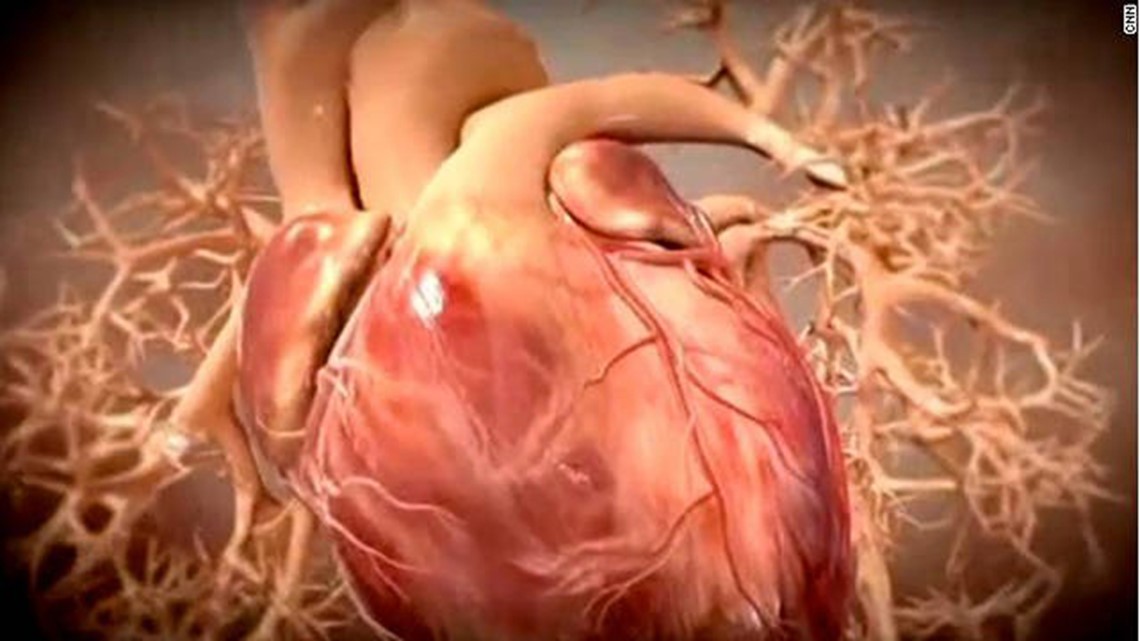
A surgeon from Yale reported on the wife of a patient who said: “[He] seems to occasionally fall into a trance….… his consciousness really seeks to escape thinking about whose heart he carries within him.”
Pearsall found that recipients typically go through five stages of grief: struggle (fear, anger), flow (euphoria, advocacy), agony (depression, guilt), and finally a crossroads where most revert to a stronger denial, while one in ten begins to take an intense interest in their donor.
Since psychiatric disorders are frequently observed in heart transplant recipients, psychological and physiological rejection may be related. One scientist quoted by Pearsall concluded: “Transplantation experts generally agree that psychological rejection of the heart sometimes accompanies physiological rejection.”
Those who psychologically resist it speak of “the heart,” while those who embrace it say “my heart.” The New York Times reported on a Valentine’s Day party for heart recipients, where almost everyone spoke of “spiritual reminiscences.” The writer described: “Everyone spoke in reverential tones about the angel in their chest, about this gift, this responsibility they now carry, and the little prayer they say for the other person within them.”
Dealing with trapped emotions
Over the course of my life, I have found that a lasting solution to difficult emotions usually requires treating them as tangible entities trapped in the body and then freeing them using consciousness-body approaches.
Many approaches draw on concepts from Chinese medicine that link organs to emotions. Years ago, when I had a patient struggling with a transplanted organ, I asked a mentor for help. He immediately said, “You need to address the trapped emotions.” Since then, we’ve observed:
- Donor organs often contain many trapped emotions, including many harmful ones, as well as other aspects of the persons’s energetic matrix.
- Releasing trapped organ emotions often improves the quality of life of recipients, sometimes improves organ function (including cases heading towards failure), and makes it easier for the recipients’ bodies to accept the organs instead of rejecting them.
- While consciousness-body methods are often used to treat trapped emotions, trauma release techniques can sometimes significantly improve the lives of transplant recipients.
Unethical organ procurement
The cost of organ transplants ranges from $446,800 to $1,918,700 (depending on the organ). Because the supply of (often life-saving) organs is extremely limited, these factors have led to a thriving black market where organs are obtained from conscious but unwilling donors. Similarly, organ donors in America are generally restricted to “brain-dead” patients whose organs are still functioning but who are otherwise considered dead.
Unfortunately, as I have shown here, there is extensive evidence that many of these patients are not dead, and there are many documented cases of completely paralyzed patients who, by a miracle, were able to regain motor control over their bodies shortly before their organs were removed.
This raises a disturbing question: Is it possible that people who did not want their organs removed were transplanted onto recipients who then experienced traumatic emotions from the moments of removal – which were then passed on to the donors?
What this means for medicine and consciousness
The evidence points to several revolutionary possibilities:
- Consciousness is not just a matter of the brain – we may need a more distributed model that takes into account the role of the whole body in the emergence of our self-awareness.
- Better therapeutic approaches – The success in treating “trapped emotions” in transplanted organs suggests new therapeutic avenues worth exploring.
- Revolution in memory research – There are indications that memories may not be stored exclusively in the brain, opening up new avenues of research.
- Support for recipients – Transplant recipients deserve recognition and support for personality modifications, instead of being rejected.
Often there are better alternatives than making the wrong choice between bad and even worse options. Many “vegetative” patients with signs of consciousness have had traumatic brain injuries, which have been demonstrably treated effectively with IV DMSO for over 50 years.
Note: The fact that IV DMSO would significantly reduce the number of “brain-dead patients” makes me wonder if the protection of organ donation supplies was the reason why DMSO encountered so much resistance in addressing an urgent medical need.
I have also seen countless cases where failing organs were restored through integrative therapies, making a transplant unnecessary. My philosophy is to inform patients in the early stages of organ failure about what to expect and to motivate them to address problems before a transplant becomes required.
While sceptics may dismiss these reports as coincidence, the consistency of reports from different researchers, cultures, and time periods suggests that there is more to it than conventional science acknowledges.
As we expand the boundaries of medicine with procedures like organ transplants, we need to remain open to phenomena that challenge our current understanding of consciousness, memory, and humanity. The mystery of transplanted consciousness can ultimately teach us as much about the nature of life as it can about the remarkable interconnectedness of all living beings.
Author: A Midwestern Doctor
Sources:
- UC San Diego Health
- J Card Surg. 2022 May;37(5):1153-1160
- Transplant Proc. 2005 Dec;37(10):4509-12
- N Engl J Med 2021;385:729-43
- HSRA 2022
- The Forgotten Side of Medicine, December 1, 2024
- How DMSO Protects and Heals the Internal Organs
- The Forgotten Side of Medicine November 17, 2024
- Qual Life Res. 1992 Aug;1(4):251-6. doi: 10.1007/BF00435634
- Amazon, Harmony April 6, 1999
- Amazon, Little, Brown and Company May 1, 1997
- The Independent, June 23, 1997
- Wikipedia, Accessed August 24, 2025, Paul Pearsall
- Button 1997
- Integr Med. 2000 Mar 21;2(2):65-72
- Daily Mail, March, 31, 2006
- Wikipedia, accessed August, 24, 2025, Crowd psychology
- Wikipedia, accessed August, 24, 2025, Holonomic brain theory
- Semin Psychiatry. 1971 Feb;3(1):58-69
- grief.com, accessed August 24, 2025
- 1988 Winter;29(1):47-54
- Soc Work Health Care 1989;14(1):47-59
- The New York Times, April 13, 1997
- The Transplant Alliance, accessed August 24, 2025
yogaesoteric
November 4, 2025