
Parmesan: Why this ancient Italian cheese is a superfood and culinary icon
Parmesan cheese, known formally as Parmigiano-Reggiano, is one of the most celebrated and nutrient-dense cheeses in the culinary world. Originating from Italy’s Emilia-Romagna region, this hard, granular cheese has been produced for over 900 years, with historical records tracing its roots back to the Middle Ages. Traditionally aged for 12 to 36 months, authentic Parmigiano-Reggiano is protected by strict Denominazione di Origine Protetta regulations (DOP –Protected Designation of Origin), ensuring it is made only in specific provinces of Italy using time-honoured methods.
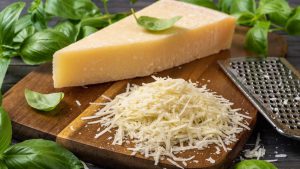
Parmesan cheese is prized for its long shelf life, making it an ideal food for travellers and soldiers. During the Renaissance era, it gained favour among European nobility and began appearing in cookbooks. Today, parmesan remains a global culinary staple, revered for its umami depth and nutritional richness.
Nutritional profile of Parmesan cheese
Parmesan is an unmatched source of essential nutrients and is particularly beneficial for bone health, muscle function and immune support. Compared to softer cheeses, parmesan has a lower moisture content, concentrating its proteins, vitamins and minerals, which include:
- 10 grams (g) of protein to support muscle repair and metabolism
- 333 milligrams (mg) of calcium (33% of our daily needs) for bone strength
- 7 g of saturated fat, but balanced by high protein and nutrient density
- phosphorus to support bone mineralization and energy production
- zinc and selenium for immune-boosting antioxidants
- vitamin B12 and folate, which are vital for red blood cell formation and brain health
- vitamin K2 for calcium absorption and arterial health
A single tablespoon of grated Parmesan provides approximately 86 mg of calcium – an excellent way to fortify meals without excess calories. Unlike processed cheeses, Parmesan contains no additives, provided it’s authentic DOP-certified.
Also, authentic Parmigiano-Reggiano is made from raw milk, which is a requirement for its DOP status.
Despite its calorie density from fat, Parmesan cheese is generally considered a superfood when enjoyed in moderation. Parmesan offers one of the highest calcium-to-calorie ratios among cheeses, making it an ideal food for bone health.
Grated Parmesan is even more concentrated, with just a tablespoon providing 3 g of protein and 86 mg of calcium. While high in sodium (~336 mg per ounce, a consideration for those monitoring blood pressure), its minimal lactose content makes it tolerable for many with lactose intolerance. Though parmesan contains saturated fat, research suggests full-fat dairy like Parmesan doesn’t significantly increase heart disease risk when consumed as part of a balanced diet.
Notably, Parmesan is low in cholesterol and carbs, aligning well with keto or low-carb diets. In short, its exceptional nutrient profile and versatility make Parmesan more of a health-supportive food than a dietary concern when consumed moderately.
Organic vs. conventional
Choosing between organic and conventional Parmesan cheese involves weighing potential health and environmental concerns.
Conventional dairy farming practices often raise issues related to pesticides, antibiotics and heavy metals in cheese production. Non-organic dairy may contain pesticide residues from cattle feed treated with glyphosate or other herbicides. Additionally, trace amounts of heavy metals like cadmium or lead have been detected in some dairy products, though typically at levels below harmful thresholds. In the U.S., conventional dairy farming uses synthetic growth hormones like rBGH (banned in the EU), along with antibiotics, posing further concerns for health-conscious consumers.
To mitigate these risks, opt for organic or DOP-certified Parmesan cheese, as these adhere to strict production standards that prohibit synthetic pesticides, GMO feed and artificial additives. Imported Italian Parmigiano-Reggiano, in particular, is traditionally made from grass-fed cows, reducing contamination risks while ensuring superior flavour. Authentic Parmesan cheese is crafted using milk from Italian cows that graze on grass (during spring and fall), avoiding corn or soy in their diet.
The raw milk collected from cows is then poured down traditional copper vats, and blended with a complex of enzymes that help develop the milk. Temperature is kept at 55° Celsius, eventually producing a firm curd that is then cut to size and placed in wheel-shaped vessels. Before being stored to age, the curd is sat in brine for two weeks, halting the process of lactose being converted to lactic acid. The wheels are then arranged on wooden shelves, where workers carefully tend them every ten days. Finally, after a minimum of one year of aging, the smooth curd has turned solid and granular, producing a perfect wheel of Parmigiano Reggiano.
This process results in a cleaner, more nutritious product that aligns with natural health principles. By choosing organic or traditionally produced cheeses, consumers can enjoy delicious flavours while supporting sustainable and toxin-free dairy farming practices.
Culinary uses of Parmesan cheese
Parmesan can enhance the flavour of dishes while providing a nutritional boost. Its umami-rich profile makes it a versatile ingredient in:
Classic Parmesan pairings
- Pasta dishes: roasted vegetable pasta with parmesan cream sauce, pasta primavera, garlic parmesan pasta and classic spaghetti
- Salads: green leaves salad, kale salad and many others
- Risottos: stirred into creamy Arborio rice dishes (e.g. mushroom risotto)
- Soup garnish: enhances minestrone or butternut squash soup
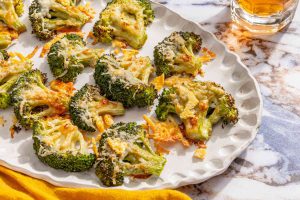
- Roasted vegetables: Sprinkled over Brussels sprouts or asparagus
Innovative ways to use Parmesan
- Parmesan crisps (baked cheese for a low-carb snack)
- Pesto sauce (blended with basil, pine nuts, and olive oil)
- Eggplant parmigiana (layered with marinara and baked)
- Cheese boards (paired with fruits and nuts)
Parmesan cheese has earned its place as a nutrient powerhouse, offering benefits for bones, muscles and immunity. Though calorie-dense, its mineral richness justifies moderate inclusion in balanced diets. Choosing organic or authentic DOP-certified Parmesan ensures purity, while its culinary versatility keeps Parmesan a kitchen staple worldwide.
yogaesoteric
October 15, 2025