
The winter superfoods we should be eating instead of festive junk
As Christmas approaches, supermarket aisles groan under the weight of ultra-processed snacks – chocolates, pies, cakes and novelty crisps – all designed to tempt us into indulgence. But while these treats may bring momentary pleasure, they offer little in the way of nutrition. Instead, nutritionists are urging shoppers to turn to nature’s bounty: winter fruits packed with antioxidants, fibre and immune-boosting properties.
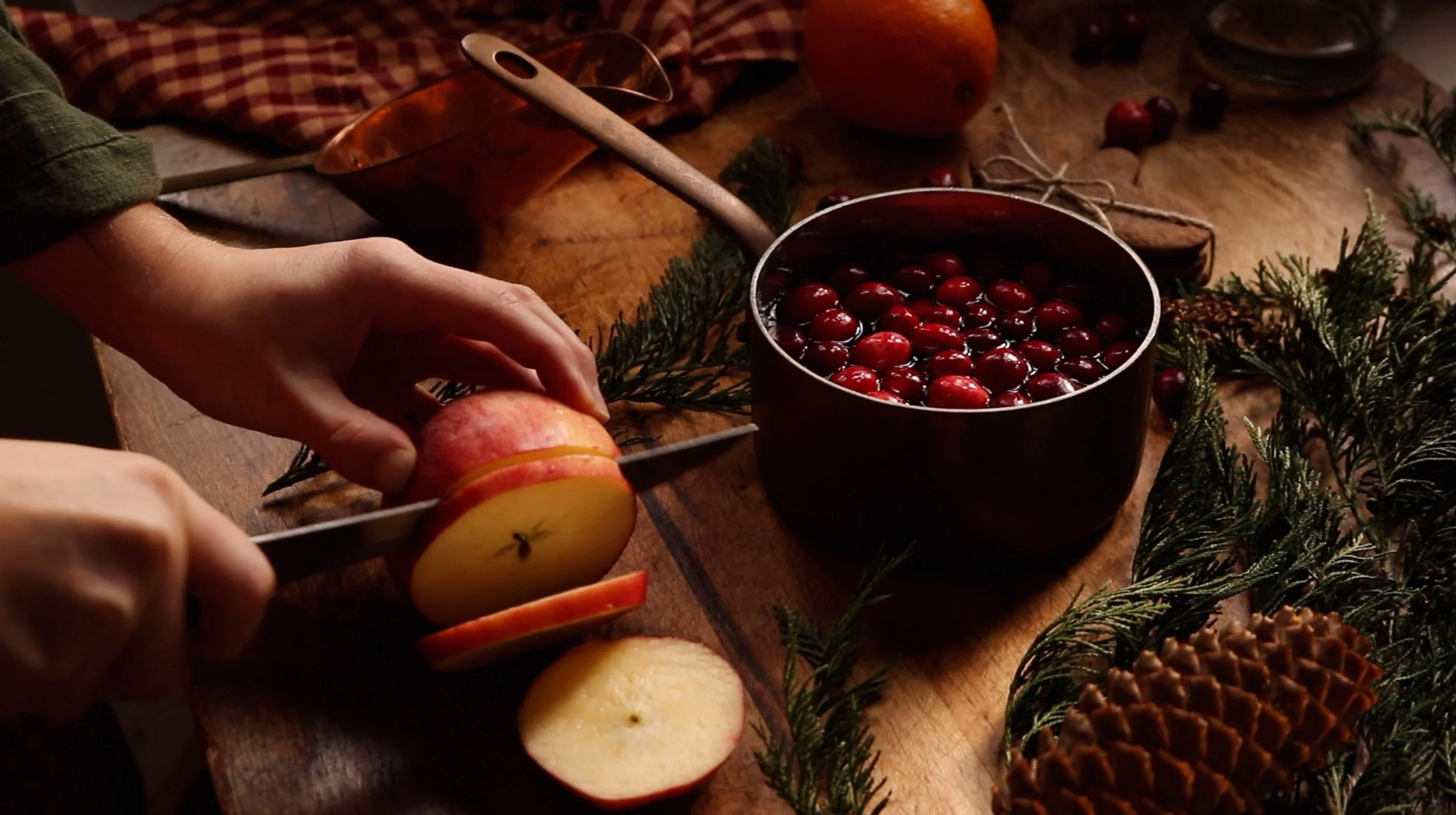
Rob Hobson, a registered nutritionist and author, warns that festive snacks are often “ultra-processed, high in sugar, unhealthy fats and very low in nutrients.” Worse, their addictive texture and flavour make them easy to overeat, leading to blood sugar spikes and energy crashes. By contrast, seasonal fruits like blackberries, pears, apples, cranberries and elderberries provide essential vitamins, minerals and fibre – without the downsides of processed junk.
Blackberries: The antioxidant powerhouse
Though traditionally an autumn fruit, blackberries remain available fresh or frozen well into winter – and they’re a nutritional goldmine. Hobson highlights their impressive fibre content, which supports digestion and gut health and their rich anthocyanins – deep purple pigments linked to heart, brain and vascular health. Unlike many fruits, blackberries are relatively low in sugar, making them ideal for those seeking sweetness without an energy crash.
“They also supply vitamin C, vitamin K and manganese – nutrients vital for collagen formation, bone health and antioxidative defence,” Hobson adds.
His favourite way to enjoy them? Stirring blackberries into warm porridge, letting their natural sweetness shine while boosting morning nutrition.
Pears: The digestive aid
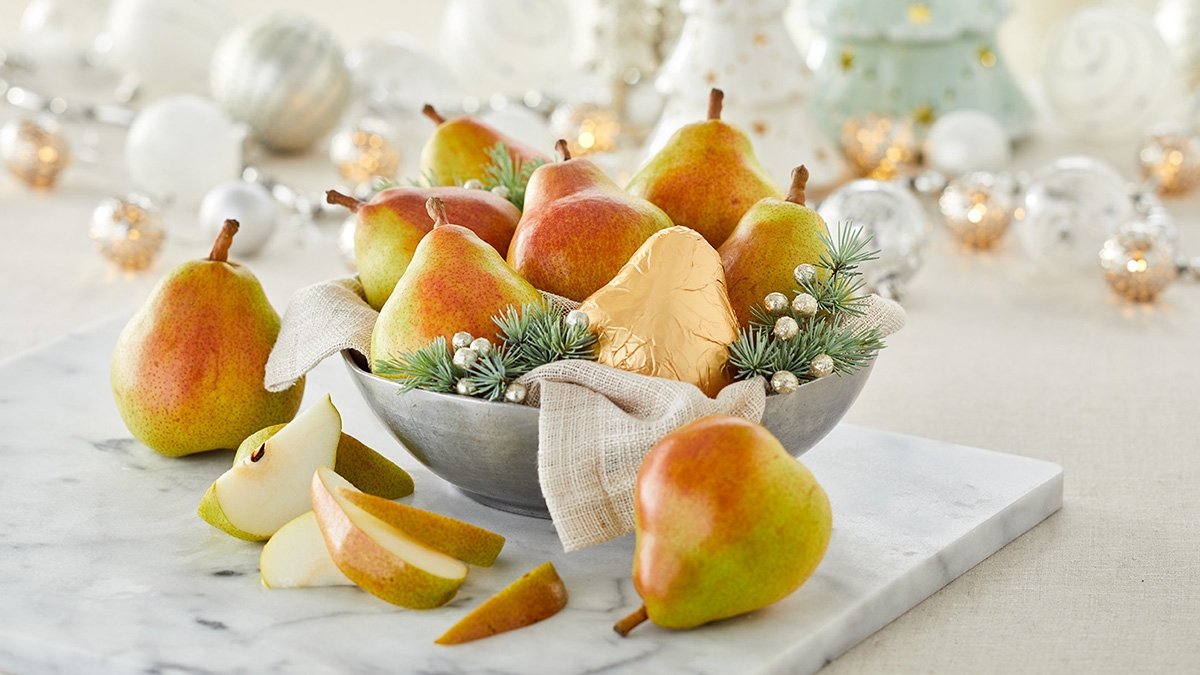
Soft, juicy and naturally sweet, pears are another winter staple. Hobson emphasizes their high fibre content – especially when eaten with the skin – which aids digestion and gut motility, combating bloating and constipation common during seasonal changes. Beyond digestion, pears deliver vitamin C, potassium and folate (vitamin B9), supporting immunity, heart health and nervous system function.
Their polyphenols – potent antioxidants – may also improve vascular health, while their fibre and water content promote fullness and steady energy levels. Whether eaten fresh, baked or poached, pears offer a delicious way to stay nourished through winter.
Apples: The cholesterol fighter
With over 2,000 varieties in the U.K. alone, apples provide numerous culinary possibilities. Hobson points to their soluble fibre, particularly pectin, which nurtures gut bacteria and may lower “bad” LDL cholesterol. A 2019 study found that eating two apples daily significantly reduced LDL levels, decreasing heart disease risk. Apples also contain proanthocyanidins – antioxidants with strong anti-inflammatory effects – particularly abundant in Granny Smith varieties.
Cranberries: The UTI defender
A festive favourite, cranberries are best known for their urinary tract benefits. Hobson explains that their unique polyphenols – proanthocyanidins (PACs) – prevent bacteria like E. coli from sticking to the urinary tract, reducing infection risk. A 2024 review confirmed that cranberry juice drinkers experienced 54% fewer UTIs.
But cranberries do more than soothe bladder discomfort. They’re rich in vitamin C, manganese and antioxidants, bolstering immune function during cold and flu season. While cranberry sauce is a Christmas staple, incorporating it into smoothies, salads or even savoury dishes can maximize its benefits.
Elderberries: The immune booster
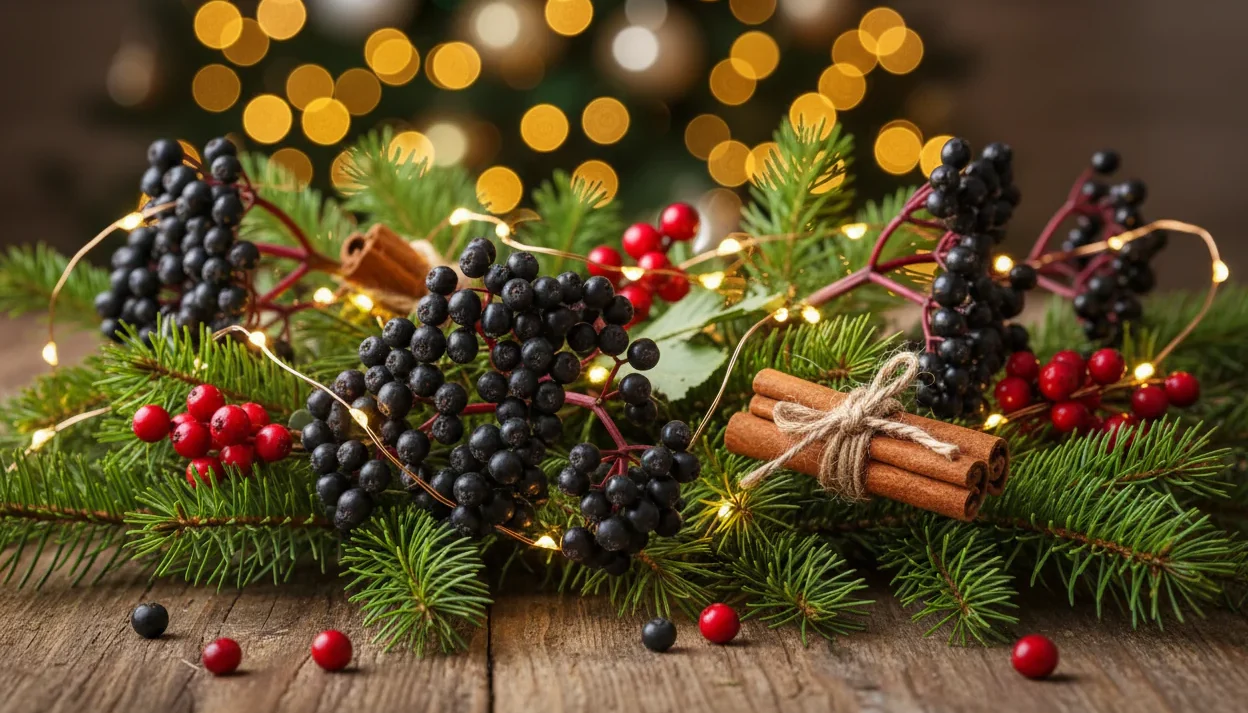
Elderberries have been used in folk medicine for centuries, prized for their immune-modulating and antiviral properties. Unlike other winter fruits, however, nutritionists advise to avoid eating them raw – they contain lectin and cyanide, which can cause food poisoning if consumed uncooked. Once properly prepared (as juice, jam or tea), elderberries offer high levels of vitamin C, fibre and anthocyanins, which help shorten cold and flu duration.
“Modern research suggests they may reduce the severity of cold symptoms,” Hobson notes. While fresh elderberries are rare in supermarkets, supplements and teas provide a safe, convenient alternative.
This winter, skip the processed snacks and embrace nature’s seasonal superfoods. Packed with fibre, antioxidants and essential nutrients, blackberries, pears, apples, cranberries and elderberries support immunity, digestion, heart health and more – without the sugar crashes or empty calories of festive junk. Whether eaten fresh, frozen or incorporated into meals, these fruits offer a delicious, healthful way to navigate the holiday season – and beyond.
yogaesoteric
December 23, 2025