
Cottage cheese: a versatile, high-protein superfood
- Cottage cheese is rich in high-quality protein, low in carbs and packed with essential nutrients like calcium, phosphorus, B12, selenium and probiotics (in some varieties).
- With origins tracing back to ancient Mesopotamia, cottage cheese gained popularity in early 20th-century as a homemade, protein-rich food.
- It supports muscle growth, weight management, bone health and digestion, but may pose issues for lactose-sensitive people or those concerned with sodium or potential dairy contaminants.
- Choosing organic, goat, grass-fed varieties reduces exposure to synthetic hormones, antibiotics and pesticides, and may offer higher omega-3 content and better nutrient density.
- Cottage cheese can be used in both sweet and savoury dishes, from breakfast to dessert, making it a flexible, nourishing staple in health-conscious kitchens.
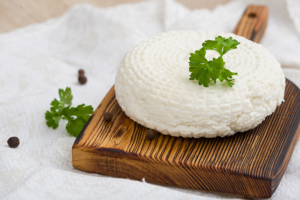
In an era dominated by processed foods and industrial farming practices, finding nutrient-dense options can feel like uncovering hidden treasure. Among these gems is cottage cheese – a humble yet powerful dairy product that offers a wealth of benefits for both body and consciousness. Often overlooked in favour of trendier superfoods, cottage cheese deserves recognition for its rich protein content, versatility in cooking and potential health-boosting properties.
Brief history of cottage cheese
Cottage cheese is a fresh cheese known for its mild flavour and soft, curd-like texture. Unlike aged cheeses, it is not pressed or ripened, resulting in a loose, lumpy consistency. It is made by coagulating milk (traditionally whole raw milk, though supermarket versions may use skim or low-fat milk), draining the whey and leaving behind curds.
The name “cottage cheese” likely comes from its origins as a homemade product in rural “cottages,” where leftover milk was turned into cheese to prevent waste. Historical records suggest that versions of fresh cheese (similar to cottage cheese) date back to ancient Mesopotamia (around 3000 BCE) and were later common in Europe. It became popular in America in the early 20th century, particularly during World War I and II, when protein-rich foods were in high demand.
Today, cottage cheese is widely available globally, enjoyed both as a standalone food and as a key ingredient in various dishes.
Nutritional profile and health benefits
Cottage cheese is celebrated for its impressive nutritional profile, making it a staple in many health-conscious diets.

High-quality protein
- A single cup (226g) of cottage cheese provides 28 grams of protein, which digests slowly, making it ideal for muscle recovery.
Low in carbohydrates
- With only six to eight grams of carbs per serving, it fits well into low-carb or ketogenic diets.
Rich in calcium and phosphorus
- Essential for bone health and metabolic function.
B vitamins (especially B12)
- Supports energy metabolism and nervous system function.
Selenium
- A powerful antioxidant that aids thyroid function.
Probiotics (in some varieties)
- Supports gut health when live cultures are present.
However, there are some potential concerns to consider. Cottage cheese contains lactose, albeit less than milk, which may still cause issues for lactose-sensitive people. Some commercial brands also have elevated sodium levels. Additionally, conventional dairy products may contain hormones and antibiotics, so opting for organic, preferably goat grass fed cottage cheese minimizes this risk.
Organic cottage cheese provides key advantages: It avoids synthetic pesticides (reducing toxin exposure), excludes artificial hormones (like rBGH/rBST, which have been linked to endocrine disruption) and may even offer higher nutrient density. Some studies suggest organic dairy contains more beneficial omega-3s.
Culinary uses of cottage cheese

Cottage cheese is very versatile, lending itself to both sweet and savoury dishes across various cuisines.
Breakfast and snacks
- Cottage cheese toast (topped with honey, berries or avocado)
- Smoothie booster (adds extra protein to veggie drinks)
- Pancakes and waffles (adds fluffiness)
Savoury dishes
- Russian syrniki (cheese pancakes, which can also become a dessert if we add honey or raisins for example)
- Lasagna filling (a lighter alternative to ricotta – try the spinach cottage cheese lasagna, or the broccoli one)
- Salad topper (replaces crumbled feta or sour cream)
- Dip base (mixed with herbs or spices)
 Desserts
- Cheesecake lightened with cottage cheese
- Parfaits (layered with fruit and granola)
In conclusion, cottage cheese is a delicious superfood providing excellent nutrients, which can be used both in sweet and savoury dishes. For those prioritizing clean eating, grass-fed goat organic cottage cheese remains the gold standard.
yogaesoteric
February 9, 2026