
A worldwide analysis shows that up to 4 out of 10 cancer cases could be prevented
Cancer is often discussed as if it strikes randomly – as if it were a matter of bad luck or inherited genes. However, a comprehensive new global analysis suggests otherwise. The study, published in Nature Medicine, by the World Health Organization (WHO) and its International Agency for Research on Cancer (IARC), investigated the extent to which the global cancer burden is attributable to causes that are fundamentally preventable.
The findings portray cancer less as an inevitable fate and more as a disease shaped by everyday stressors – by what we breathe, drink, eat, and ingest over decades. The researchers’ conclusions have enormous practical implications, because if a risk factor can be identified and measured, it can also be reduced. The following explains in detail how the analysis reached its conclusions, which stressors cause the most damage, and what can be done to act on this data.
Global data shows where the cancer risk originates
For the study, researchers used data on 36 types of cancer from 185 countries and examined 30 risk factors that people and governments can influence. They applied a statistical method that estimates how many cases would not occur if a risk factor were eliminated to determine how much of the global cancer burden is attributable to specific exposures. This was not a small regional snapshot, but a global inventory of preventable cancers.
More than a third of all new cancer cases were linked to modifiable causes. Researchers found that 7.1 million of the 18.7 million cancer cases in 2022 – 37.8% – were attributable to preventable risk factors. In men, 45.4% of new cases were associated with these exposures, compared to 29.7% in women. This discrepancy alone speaks volumes: exposure patterns matter. If nearly half of cancer cases in men are linked to modifiable behaviours or environmental factors, then our daily exposures shape the long-term consequences.
Smoking dominated the landscape of preventable cancers. Tobacco smoking was responsible for 15.1% of all new cancer cases worldwide, making it the single largest factor identified in the study. In men, smoking was responsible for an estimated 23% of new cancer cases, compared to 6% in women. This means that the impact of smoking was almost four times greater in men than in women. These figures reflect the cumulative DNA damage caused by carcinogens in tobacco smoke, which trigger mutations and drive tumour growth. If smoking were eliminated, approximately 15% of cancer cases worldwide would not occur.
Infections and alcohol formed the next major risk group. Infections contributed to 10.2% of cancer cases worldwide, and alcohol consumption accounted for 3.2%. In women, infections were responsible for 11% of new cancer cases – more than smoking in this group. This figure underscores how viruses and bacteria such as human papillomavirus (HPV) and Helicobacter pylori (H. pylori) alter cancer risk through chronic inflammation and long-term cell damage. Alcohol, on the other hand, increases exposure to acetaldehyde, a toxic breakdown product that damages DNA and impairs repair mechanisms.
Three types of cancer accounted for almost half of preventable cases. Lung, stomach, and cervical cancer made up nearly 50% of preventable cancer cases worldwide. Lung cancer was primarily linked to smoking and air pollution. Stomach cancer was largely due to H. pylori infection. Cervical cancer has been associated with HPV, but it is important to note that in most cases, only long-term, untreated HPV infections cause cervical cancer, and these are usually easily detected and treated with regular Pap smears.
Regional differences revealed how the environment influences risk. The proportion of preventable cancers ranged from 24.6% to 38.2% for women and from 28.1% to 57.2% for men, depending on the region. East Asia had the highest rate of preventable cancers in men at 57%, while Latin America and the Caribbean had the lowest at 28%. These differences reflect varying exposures to tobacco, infections, occupational hazards, and environmental pollutants. Where we live influences what we breathe, consume, and come into contact with. The researchers concluded that “increased efforts to reduce modifiable exposures remain central to global cancer prevention.”
Here’s how to reduce our risk of preventable cancers
The data shows that cancer risk is closely linked to what we breathe, drink, ingest, and store in our tissues. This means our strategy needs to address the source. Start by focusing on eliminating metabolic stressors that damage mitochondria and promote inflammation, because a failure of cellular energy production creates the environment in which disease thrives. Correcting this environment will measurably alter your long-term health trajectory. Here are five steps you can take.
Shift your macronutrient ratio toward carbohydrates and away from excess fat. When your fat intake makes up nearly 60% of your daily calories, you force your body to rely heavily on fat for energy. This metabolic state leads to dysfunction and promotes the spread of disease, including cancer. Keep your fat intake between 30% and 40% of your daily calories and aim for about 250 grams of healthy carbohydrates each day. Build your meals from whole fruits, root vegetables, rice, healthy proteins, and small amounts of easily digestible whole grains, provided your gut tolerates them well. If you have digestive issues, start with more easily digestible carbohydrates like fruit and white rice and gradually increase the amount. Your goal is steady glucose utilization, strong mitochondrial function, and a lower inflammatory response – chemical alarm signals that, when chronically elevated, create conditions conducive to tumour growth.
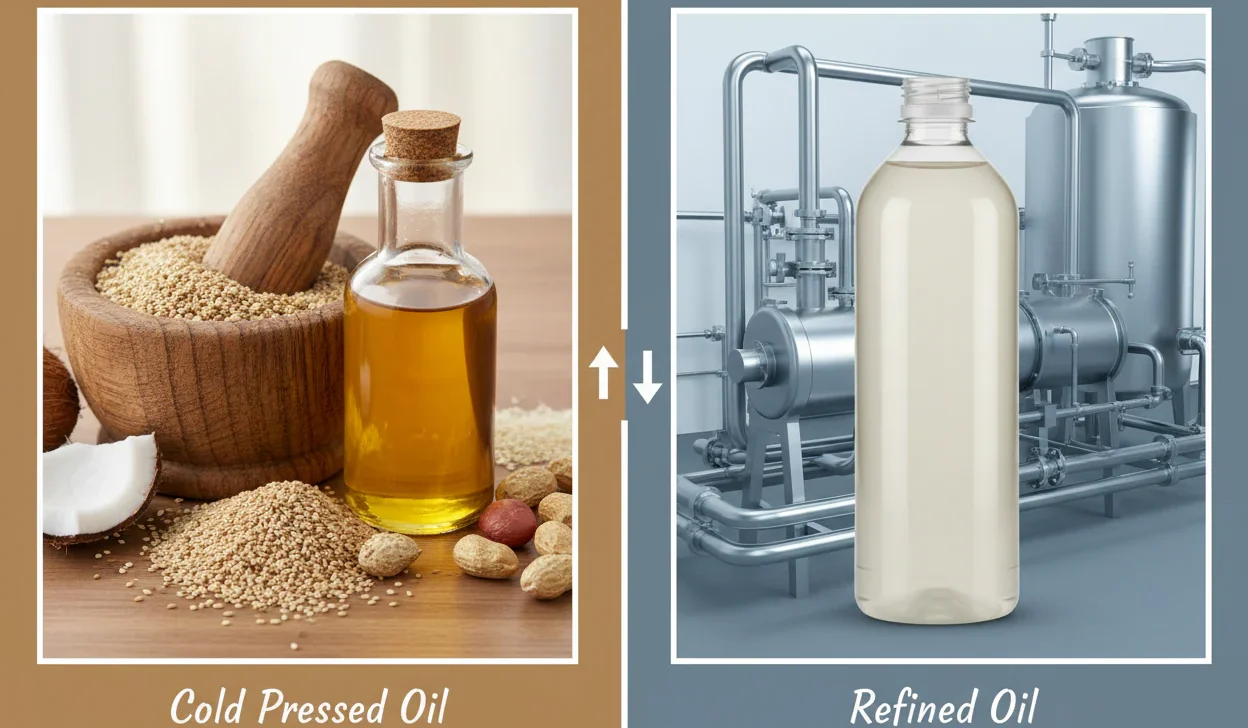
Eliminate refined vegetable oils and reduce linoleic acid (LA) to below 5 grams per day – The problem isn’t just fat. It’s LA, a polyunsaturated fatty acid found in refined seed oils. High LA intake disrupts mitochondrial energy production, weakens your immune system’s ability to recognize and destroy abnormal cells, and activates clotting factors that help tumours gain a blood supply and spread. Remove refined canola, corn, soybean, safflower, sunflower, and grapeseed oil from your kitchen. Replace them with grass-fed butter, ghee, or extra virgin olive oil. For example, don’t sauté vegetables in canola oil; use ghee instead. Use lemon juice and grass-fed butter instead of store-bought salad dressings. Use avocado oil sparingly, as it often contains hidden seed oils and a high proportion of monounsaturated fats, which put a strain on the mitochondria. You probably consume more lactic acid (LA) than you realize. Aim for less than 5 grams of LA per day, ideally less than 2 grams.
Reduce inflammatory triggers by improving body composition and exercise. Excess body fat releases pro-inflammatory chemicals that promote tumour growth. If you’re carrying weight around your midsection, focus on restoring carbohydrate balance rather than crash dieting. Consume sufficient protein – about 0.8 grams per pound of ideal body weight or 1.76 grams per kilogram – and include collagen-rich sources. This protects muscle mass while improving metabolic flexibility, your body’s ability to smoothly switch between burning glucose and fat for energy.
Aim for a daily walk. A sedentary body is a metabolically stagnant body – without regular exercise, insulin sensitivity decreases, inflammatory markers increase, and mitochondria lose their ability to burn energy efficiently. At the same time, high-intensity training causes stress hormones to spike and hinders recovery. Working your way up to a brisk one-hour walk outdoors daily supports mitochondrial function, improves insulin sensitivity, and reduces systemic inflammation. Starting from minimal activity, begin with 15 to 20 minutes a day and increase by five minutes per week. Add strength training such as hatha yoga postures which work your muscles (Sun Salutation for example).
It’s also important to ensure your vitamin D levels are optimized. Several comprehensive tests will show adequate vitamin D levels, with a lower risk of colon, breast, and other cancers. Vitamin D modulates immune function, supports your body’s ability to trigger programmed cell death in abnormal cells, and helps regulate the inflammatory signals that drive tumour growth. Have your blood levels tested twice a year and aim for a level of 60 to 80 ng/ml (150 to 200 nmol/l). Many people need vitamin D3 supplements, especially during the winter months or if they spend little time outdoors. If you take a supplement, take it with a high-fat meal to improve absorption and combine it with magnesium and vitamin K2 to support healthy calcium metabolism.
Reduce chronic stress to protect metabolic functions. Chronically high cortisol levels – your body’s primary stress hormone – promote stubborn belly fat, suppress immune function, and impair mitochondrial repair processes, which your body relies on to prevent abnormal cell growth. Lowering cortisol is not a luxury; it’s a metabolic necessity. Start by practicing slow, deep breathing several times a day and soaking up early morning sunlight to reset your cortisol rhythm. Include healthy carbohydrates with your meals to stabilize your energy and calm your nervous system. Simple pleasures matter too– laughter, music, time with pets, and beneficial actions you genuinely enjoy trigger measurable biochemical transformations that lower cortisol levels and signal safety to your brain.
For deeper support, natural progesterone is one of the safest and most effective ways to block the damaging effects of cortisol. It helps your body recover from stress and restore hormonal balance. Furthermore, sleep is one of the most overlooked tools for cancer prevention. The IARC classifies disrupted circadian rhythms as ‘probably carcinogenic,’ and the reasons for this are directly related to the mechanisms discussed in this article: lack of sleep impairs your body’s ability to repair damaged DNA, suppresses natural killer cells that hunt down abnormal cells, and increases the very cortisol you’re aiming to lower. Prioritize seven to eight hours of uninterrupted sleep in a dark, cool room. Avoid screens for at least an hour before bedtime, dim the lights after sunset, and maintain consistent sleep and wake times – even on weekends – to stabilize your circadian rhythm.
Eliminate other modifiable risk factors. Treat chronic infections whenever possible and limit your exposure to environmental toxins like air pollution as much as you can. If you live near a busy road or in an area with poor air quality, run a HEPA air purifier in the rooms where you spend the most time, especially your bedroom. When walking outdoors, choose routes away from heavy traffic. Filter your drinking water with a high-quality system that removes chlorine, heavy metals, and industrial pollutants. For household cleaning and personal care products, switch to varieties that are free of synthetic fragrances, parabens, and phthalates. You don’t have to modify everything overnight – start with the pollutants you’re most exposed to and work your way out from there.
Author: Dr. Joseph Mercola
yogaesoteric
April 16, 2026