
Beyond sugar crashes: Why whole foods are gaining ground as natural sweet alternatives
For millions seeking to reduce their intake of refined sugars and processed desserts, a fundamental question has emerged: Why do so many conventional sweets leave consumers feeling depleted rather than energized, and who is driving the shift toward whole-food alternatives? The answer lies in the growing awareness that natural options, available at grocery stores and farmers markets across the country, offer a more sustainable path to satisfying cravings without the metabolic consequences of added sugars.
Whole foods and blood sugar: Combining the right nutrients
The shift has been gaining momentum in recent years as researchers and nutrition advocates highlight the stark difference between natural and processed sugars. When a person consumes a candy bar or slice of cake loaded with refined sugar, blood glucose levels spike rapidly, triggering an insulin surge that often leads to a subsequent energy crash. By contrast, whole fruits and minimally processed ingredients deliver sugar in a matrix of fibre, water and micronutrients that slows absorption and provides sustained energy.
Grapes, for instance, offer what nutritionists call “nature’s candy” with a crucial distinction. One cup of grapes contains nearly 2 grams (g) of fibre, which helps regulate blood sugar and promotes satiety. Frozen grapes have become a popular alternative to sugary popsicles, providing a refreshing treat without added sweeteners. Similarly, dried mango, when chosen without added sugar, delivers the chewy texture of gummy candies along with immune-supporting vitamin C.
The pairing strategy has emerged as another effective approach. Almond butter (without added oil or strange ingredients) and sliced apples combine healthy fats, protein and fibre with natural sweetness, creating a snack that satisfies both texture and taste preferences. The protein and fat in nut butters slow the digestion of the fruit’s natural sugars, reducing the likelihood of a sugar crash. Cashews and unsweetened dried mango offer a similar dynamic, with the nuts’ healthy fats and fibre helping to stabilize blood glucose.
Dairy-based options have also found their place. Greek yogurt, rich in probiotics and protein, serves as a base for berries and dark chocolate chips. The key lies in selecting dark chocolate with high cocoa content and minimal added sugar, which provides antioxidants while keeping sugar levels low. Cottage cheese paired with raspberries offers another protein-rich alternative that also delivers antioxidants.
For those who crave baked goods, adaptations using alternative flours and natural sweeteners have gained traction. Dark chocolate chip muffins made with almond flour and sweetened with agave or maple syrup or mashed banana avoid refined cane sugar while maintaining indulgence. Almond flour provides healthy fats and protein that can help moderate the blood sugar response compared to traditional white flour.
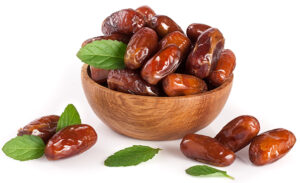
Dates have emerged as a particularly versatile ingredient, functioning as a natural caramel substitute. Stuffed with nut butter and dipped in dark chocolate, they mimic the flavour profile of caramel and nut-filled candy bars while providing nearly 2 g of fibre per fruit. No added sugar is needed, as dates’ natural sweetness intensifies when paired with rich, savoury ingredients.
How best to avoid blood sugar spikes
The science behind these choices centres on the concept of glycaemic index, a measure of how quickly foods raise blood sugar. Honey, for example, has a lower glycaemic index than refined sugar, meaning it produces a slower, gentler rise in glucose. Cocoa nibs, the roasted pieces of cocoa beans, contain antioxidants called flavonoids but no added sugar, though their bitterness can be balanced when blended with frozen berries, banana and yogurt.
Toast with peanut butter and honey illustrates how common pantry ingredients can be repurposed for better nutrition. Peanut butter provides protein and healthy fats, toast offers complex carbohydrates for sustained energy, and honey’s lower glycaemic impact reduces the sharp blood sugar peaks associated with sugary spreads. We can choose even more nutritious wholegrain bread and topping it with good protein sources like eggs, avocado or nut butter, while avoiding sugary spreads that cause a short sugar rush.
The trend toward natural sweet alternatives reflects a broader reassessment of what constitutes a healthy diet. Rather than eliminating sweetness entirely, nutrition experts increasingly recommend choosing foods that deliver sugar alongside fibre, protein and micronutrients. This approach aligns with evidence that whole foods, despite containing natural sugars, do not produce the same metabolic disruptions as their processed counterparts.
The move away from processed desserts and toward whole-food alternatives represents a practical strategy for managing sugar intake without deprivation. From frozen grapes to date-based snacks, the options available at most supermarkets allow consumers to satisfy sweet cravings while supporting stable blood sugar levels and overall nutrition. As awareness of these alternatives continues to spread, the choice between a sugar crash and sustained energy increasingly comes down to what is already in the kitchen, not the candy aisle.
yogaesoteric
June 24, 2026