
Are Processed Plant-Based Foods Bad for Your Heart? Here’s What Research Says
Story at-a-glance
- Not all plant-based foods support heart health – ultraprocessed items may actually increase cardiovascular risk despite their “vegan” label

- A large French cohort study of over 63,000 adults found an approximately 40% reduction in cardiovascular disease risk when participants ate minimally processed, nutrient-rich plant foods
- There was also a 38% increase in overall cardiovascular disease risk when diets were dominated by ultraprocessed, low-quality plant-based foods, even if they appeared “healthy”
- Key red flags include: high sodium in vegan meats and deli slices, refined seed oils that damage mitochondrial function, refined starches/sugars, and gut-disrupting additives like methylcellulose and gums
- The most protective plant-based diets are built from whole foods with minimal processing, like legumes, vegetables, fruits, and whole grains
You ordered the Beyond Meat or the Impossible Burger. You’ve swapped whole milk for oat milk. You even started reading labels – so why did your latest blood work show warning signs your doctor didn’t expect?
Many health-conscious people assume a plant-based diet automatically protects their heart. They then turn to vegan or vegetarian products sold in supermarkets, including fake meats, ultraprocessed nut milks, and packaged snacks. But watch out – some of these plant-based foods can actually do more damage to your health. Let’s dive into the reasons why most highly processed plant-based foods are bad for your heart.
What Do Recent Studies Say About Processed Plant-Based Diets and Heart Disease?
A large French study published in The Lancet found that it’s not just about what you eat – how your food is made matters just as much. The research, which was conducted as part of the large-scale, web-based NutriNet-Santé project, followed 63,835 adults for nearly a decade. The study authors wanted to answer an important question: Which plant-based diets actually protect against heart attacks and strokes and which ones don’t?
What made this study different from most is that it didn’t just look at whether people ate more plants or less meat – it also looked at the nutritional quality of the plant-based foods. Most importantly, it looked at how processed those foods were. In other words, a diet made up of frozen veggie nuggets, flavoured soy drinks, and processed plant-based snacks might be vegan, but is it heart-healthy?
The participants’ diets were evaluated – Through online questionnaires, participants provided detailed records of what they ate and drank over a period of at least three days. The researchers then categorized their diets, while also factoring in nutritional quality and the degree of food processing.
How the diets were scored – To analyse the data, the researchers used four different types of plant-based diets:
- Healthy plant-based and unprocessed (hPDI-UnPF) – Fresh veggies, fruits, legumes, etc.
- Healthy plant-based and ultraprocessed (hPDI-UPF) – Packaged “healthy” snacks and plant-based frozen meals
- Unhealthy plant-based and unprocessed (uPDI-UnPF) – Sugary drinks and white bread (but not heavily processed)
- Unhealthy plant-based and ultraprocessed (uPDI-UPF) – Sweets, chips, and sugary plant-based products
They then tracked the participants’ health over time to see which diet types led to more or fewer heart problems.
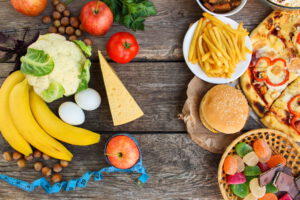
The study revealed a clear pattern – The researchers found that the people who mostly consumed nutritious plant-based, minimally processed foods (hPDI-UnPF) had 44% lower risk of coronary heart disease and 32% lower risk of overall cardiovascular disease.
On the other hand, the uPDI-UPF diet was the worst for heart health. People who ate high amounts of unhealthy and heavily processed plant foods had a 46% higher risk of heart disease and 38% higher risk of overall cardiovascular disease.
What Is an Unhealthy Plant-Based Diet (UPDI), and How Is It Different from a Healthy One?
To put it simply, an Unhealthy Plant-Based Diet Index (uPDI) refers to a plant-based diet that includes mostly low-quality plant foods that are heavily processed or high in added sugars and refined carbs. While these foods technically come from plants, they don’t offer the same health benefits as whole, nutrient-rich plant foods.
A separate U.S. study, published in the American Journal of Preventive Cardiology, reinforced these findings – with an even more alarming twist. Conducted by researchers from Johns Hopkins Bloomberg School of Public Health and the University of Washington, the research took a deep dive into how plant-based diets relate to silent, early signs of heart disease.
Gathering the data – Between 1999 and 2004, researchers looked at data from 7,708 adults who participated in the National Health and Nutrition Examination Survey (NHANES), a large, nationally representative health study in the U.S. They took note of what the people ate over a 24-hour period.
The diets were grouped into three plant-based indices – These were categorized based on how plant-based the diets were and whether the plant foods were mostly healthy or unhealthy:
- Overall Plant-Based Diet Index (PDI) – The total amount of plant foods eaten.
- Healthy Plant-Based Diet Index (hPDI) – Diets rich in whole plant foods like fruits, vegetables, whole grains, legumes, and nuts.
- Unhealthy Plant-Based Diet Index (uPDI) – Diets high in sugary drinks, sweets, refined grains, and fried starchy foods (like fries) and white bread.
Measuring heart health – Instead of looking at full-blown heart attacks or disease, the researchers focused on “subclinical cardiovascular disease,” which are early signs of heart trouble that don’t yet cause symptoms but can be detected through biomarkers in the blood. Using blood samples from the participants, the researchers tested for:
- Cardiac Troponin I (cTnI), a marker for subtle heart muscle damage.
- Cardiac Troponin T (cTnT), another protein released during heart strain.
- NT-proBNP, a protein that is released when the heart is under stress, and is often used to detect or predict heart failure.
Elevated levels of these biomarkers suggest that the heart may be under strain – even if a person feels perfectly fine.
What the study findings revealed – The results were stark: People whose diets were mostly made up of unhealthy plant foods had 65% higher odds of having elevated troponin I – the same biomarker of damage that doctors look for after a heart attack. Think of troponins like a smoke alarm for your heart – when heart muscle cells are stressed or damaged, they release these proteins into your bloodstream. Even small increases can be signs of subclinical (hidden) heart disease.
“Up to 50% of people with no apparent history of cardiac issues have subclinical levels of troponins. While these levels are not of immediate concern, they may be interpreted as a warning sign of potential future issues,” Medical News Today reports.
On the other hand, people who had higher hPDI scores had a much lower risk of having elevated cTnI levels. Those in the highest group for healthy plant eating had about 50% lower odds of heart stress compared to those in the lowest group. This table summarizes these findings:
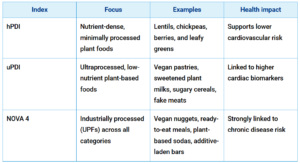
Take note that the table also includes the NOVA classification – a global system that sorts foods by their level of industrial processing. But why does this matter? Simply put, NOVA Group 4 is where most “plant-based” convenience foods live – and where the highest cardiovascular risks hide.
NOVA group 4 includes ultraprocessed foods (UPFs), which often carry the biggest risk due to added sugars, preservatives, emulsifiers, and other synthetic ingredients. Many uPDI-scoring foods fall into this group and both the French and U.S. studies back up this distinction.
The common thread between these two studies is simple but often missed: Eating “plant-based” doesn’t automatically protect your heart. It depends on what kind of plant-based foods you’re eating, how they’re made, and what else comes along with them. So what exactly is in these foods that makes them so harmful? Let’s break down the four biggest culprits.
Why Processed Vegan Foods Raise Cardiovascular Risk
The problem with many processed vegan foods isn’t that they’re plant-based – it’s how they’re made. The packaging might look clean and green, but what’s inside tells a different story. Excessively high sodium, polyunsaturated fats (PUFs), refined starches, and chemical additives all stack up to create a metabolic mess that quietly damages your heart.
Let’s start with sodium – Although conventional medical advice recommends limiting sodium intake, the fact is you still need it to support various physiological functions, including helping generate and conduct the electrical signals that control your heartbeat. Hence, instead of completely limiting it, it’s best to acquire it from natural, unprocessed food sources and is balanced by a high potassium intake – this supports healthy physiology.
Unfortunately, most ultraprocessed, plant-based foods, such as meat substitutes in particular, have excessively high amounts, disrupting your sodium-to-potassium ratio. According to Dr. Jayne Morgan, a cardiologist at Hello Heart:
“Many plant-based meats are heavily seasoned to mimic meat flavours. This often means very high sodium levels, which is a major contributor to hypertension,” she said. “A processed plant burger could have 400–600 mg of sodium!”
Linoleic acid (LA) is another major red flag – Many processed plant-based foods – especially vegan dressings, cheese alternatives, and “healthy” snacks – are made with refined seed oils like sunflower, safflower, or canola. These oils are extremely high in linoleic acid (LA), a polyunsaturated omega-6 fat that, in excess, disrupts mitochondrial function.
Your mitochondria are the energy factories inside every cell. When excess linoleic acid accumulates, it interferes with how these factories burn fuel – like putting the wrong gasoline in your car. The result is sluggish energy production and cellular debris that triggers inflammation.
Your body stores LA in fat tissue, where it gradually degrades into harmful byproducts. These compounds inflame blood vessel walls and sabotage your cells’ ability to produce energy efficiently. Most modern plant-based processed foods are loaded with LA, making them a hidden metabolic threat – even when labelled “heart-healthy.”
Refined starches and sugars add another layer of concern – Packaged vegan pastries, sweetened ultraprocessed plant drinks, and “healthy” granola bars spike blood sugar and insulin levels. Over time, this worsens triglyceride profiles and contributes to metabolic dysfunction (a state where your body struggles to properly regulate blood sugar, fat storage, and energy production), especially in people with poor gut health or underlying insulin resistance.
And then there are the additives – Ingredients like methylcellulose, carrageenan, gums, and modified starches are often used to thicken, bind, or stabilize processed vegan products. There’s emerging evidence suggesting these compounds may disrupt the gut lining, alter the microbiome, and trigger inflammation, all of which contribute to cardiovascular stress over time.
Processing also strips away fibre – While whole plant foods like legumes, vegetables, and fruits are naturally rich in fibre that supports digestion, satiety, and blood sugar balance, most processed vegan products strip that fibre out. When manufacturers refine grains, extract plant proteins, or create meat substitutes from isolates, they remove the fibre that feeds your gut bacteria and helps stabilize metabolic health.
What’s left is often a fast-digesting, low-fibre food that spikes blood sugar and leaves you hungrier sooner. Over time, a diet low in fibre and high in ultraprocessed foods contributes to microbiome imbalance, insulin resistance, and inflammation, which quietly accelerate cardiovascular disease.
Together, these factors paint a clear picture: Processed vegan foods often mimic the nutrient profile of ultraprocessed junk food. They’re marketed as healthy alternatives, but functionally they deliver the same metabolic and cardiovascular consequences as the products they aim to replace.
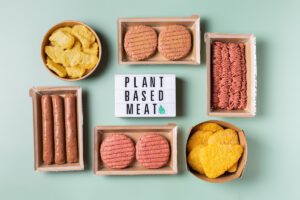
How Can You Spot Ultraprocessed Vegan Foods at the Store?
It’s easy to get fooled by packaging that screams “plant-based” or “100% vegan.” But beware, because many of these prepackaged foods are ultraprocessed – and that’s something you can’t spot from the front of the box. You’ve got to flip it over and read the label.
Start with the ingredient list – A good rule of thumb is this: The longer it is, the more processed the food probably is. Look for short lists with five or fewer recognizable, whole-food ingredients. When you see words like methylcellulose, gums, carrageenan, or “natural flavours,” be cautious. These are often used in plant-based meats, cheeses, and snacks to create texture or enhance flavour and they indicate a high degree of industrial processing.
Check the sodium content – A heart-healthy food ideally stays under 300 mg of sodium per serving. Many vegan deli slices, burgers, and cheese alternatives blow past that – some reaching 500 to 600 mg or more per serving. If you eat these items daily, your sodium intake can spike fast, especially if you’re stacking them with sauces or condiments that also pack a salty punch.
Beware of refined seed oils – If you see sunflower oil, soybean oil, or safflower oil high on the ingredient list, that’s a sign to put the item back. Even if the front of the package says “plant-based” or “cholesterol-free,” these oils silently sabotage your cardiovascular health behind the scenes. Even in your home, consider eliminating all refined seed oils and switching to healthier fats instead like coconut oil, extra virgin olive oil, ghee, or grass-fed butter.
Don’t forget to look at sugars and starches – A surprising number of plant-based snacks are just refined carbs in disguise – vegan cookies, “clean” energy bars, sweetened refined nut milks, and grain-based cereals with added sugar. These products spike blood glucose and increase triglyceride levels over time.
Who Should Be Most Cautious with Processed Plant-Based Foods?
If you’re dealing with high blood pressure, heart failure, or chronic kidney disease (CKD), continuing to eat ultraprocessed vegan foods is a risky bet. The excessive sodium packed into vegan deli slices, faux meats, and convenience meals puts additional strain on your blood vessels and kidneys – systems that are already compromised in these conditions. Even “healthier” plant-based frozen meals can push your sodium intake well beyond safe daily limits, especially if you’re relying on them multiple times a week.
People with high LDL cholesterol, or those with a family history of cardiovascular disease, also need to read the fine print. Hydrogenated seed oils are routinely added to vegan cheeses, spreads, and mock meats to simulate richness or texture. But these oils aren’t neutral. They interfere with cholesterol metabolism and promote plaque buildup inside your arteries.
The same goes for athletes and highly active people who rely on convenience foods. You might assume that you’re making clean choices by going plant-based, but many of those grab-and-go options are metabolic landmines. High refined carb loads, low-quality protein blends, and oxidized fats found in bars, shakes, and prepackaged “performance” snacks can impair recovery and fuel systemic inflammation. If you’re training hard, your cells need clean-burning fuel – processed vegan snacks won’t give you that.
Even if you’re metabolically healthy, eating ultraprocessed plant-based foods daily carries risks that compound over time. The harm isn’t always immediate. Elevated cardiac biomarkers, insulin resistance, and triglyceride spikes (which cause plaque buildup) can build silently, especially when meals are built around processed items instead of whole, nourishing foods.
What to Eat Instead – A Whole-Food Plant-Forward Plan
If your goal is to eat in a way that supports your heart, metabolism, and long-term energy, then it’s time to move away from the processed plant-based hype and build meals around simple, whole ingredients. This doesn’t mean you need to give up on plant-forward eating – it just means you need to get smarter about which plants you’re eating and how they’re prepared.
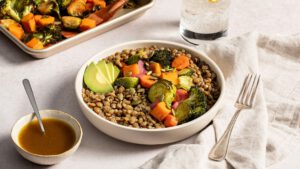
Here’s what a single day of eating might look like in wintertime, if you’re focusing on nutrient-dense, minimally processed, low-PUF plant-forward meals (If you’re vegan, you can skip the eggs and dairy):
Breakfast – Rice porridge, topped with berries and a drizzle of raw honey or maple syrup. Start with a boiled egg or a slice of raw goat cheese for balanced protein.
Lunch – Lentil and vegetable bowl (carrots, squash, and greens) tossed in coconut oil, and served with sourdough bread. Sprinkle with fresh herbs for added flavour and colour.
Snack – A piece of fruit with a drizzle of raw honey, a few raw soaked nuts, paired with a cup of warm herbal macerate.
Dinner – Braised lentils or mung beans slow-cooked with caramelized onions, carrots, and fresh herbs, served over a bed of root vegetables like turnips, beets, or sweet potatoes. Pair this with a side of sautéed dark leafy greens (such as collards or mustard greens) cooked gently in coconut oil, grass fed ghee, or butter for digestibility and better fat profile.
In summertime it is advisable to eat plenty of fresh veggies and in season fruit. You can add healthy protein like beans, chickpeas, eggs or raw goat cheese in a big salad, seasoned with extra virgin olive oil.
This type of eating plan emphasizes low-inflammatory fats, stable blood sugar, and digestible starches to support your mitochondria, gut lining, and cardiovascular system. There’s no reliance on fake meat, emulsified cheeses, or ultraprocessed snacks – just real food in real form, prepared in a way your body actually recognizes.
Frequently Asked Questions (FAQs) About Ultraprocessed Plant-Based Foods and Heart Health
Q: Are processed vegan foods bad for heart health?
A: Many are. Processed vegan foods often contain high amounts of sodium, polyunsaturated fats from refined seed oils, and inflammatory additives such as gums and emulsifiers. These compounds contribute to elevated blood pressure, impaired cholesterol profiles, and early cardiac stress markers. Even though they’re free from animal products, that doesn’t make them heart-safe.
Q: Is a whole-food plant-based diet good for your heart?
A: Yes – when built around minimally processed, nutrient-dense ingredients like legumes, leafy vegetables, fruit, and tubers. The NutriNet-Santé study showed a nearly 40% lower risk of cardiovascular disease in people who consistently ate high-quality, low-processed plant foods.
Q: Do plant-based meats have too much sodium?
A: Absolutely. Many meat alternatives contain 400 to 600 mg of sodium per patty. That sodium load adds up quickly and can disrupt your sodium-to-potassium ratio, particularly if you’re eating these products more than once per day.
Q: What is the unhealthy plant-based diet index (uPDI)?
A: The uPDI is a research-based scoring system that classifies plant-based diets based on food quality. Diets high in ultraprocessed plant products like sweetened beverages, packaged snacks, and refined grains score higher on the uPDI and are associated with increased cardiovascular risk. In contrast, healthy versions (hPDI) emphasize whole, nutrient-dense foods and show protective effects.
Q: What processed foods count as plant-based?
A: Think: vegan nuggets, faux cheeses, snack bars, sweetened oat or almond milks, instant noodles labelled “plant-based,” and prepackaged deli slices. These may be meat-free but are still loaded with additives, unhealthy oils, and refined starches. Their level of industrial processing, not the absence of animal products, determines the risk.
Q: What are the risks of plant-based meats?
A: Beyond sodium and refined seed oils, these products often include inflammatory ingredients like methylcellulose and carrageenan. Over time, regular consumption raises your risk of heart disease, metabolic dysfunction, and digestive issues.
Q: Do processed plant-based snacks spike blood sugar?
A: Yes. Many vegan snack bars and cereals are built on refined grains and added sugars, which digest quickly and spike glucose levels. This contributes to insulin resistance and increased triglycerides – two key drivers of cardiovascular disease.
Q: Are plant-based burgers safe to eat daily?
A: They’re not ideal for everyday meals. Most are loaded with sodium, refined seed oils, and binding agents. Occasional use might be manageable, but a daily habit increases your intake of harmful fats and additives that undermine cardiovascular and metabolic health.
Analysis by Dr. Joseph Mercola
yogaesoteric
February 11, 2026