
Mediterranean diet slashes risk of vision loss by up to 34 percent, study finds
As millions of aging adults struggle with blurry menus and fading street signs, a groundbreaking study reveals a simple, natural solution: the Mediterranean diet.
New research suggests that adhering to this time-tested eating pattern – rich in fruits, vegetables and olive oil – can slow the progression of age-related macular degeneration (AMD) by up to 34 percent. With nearly 200 million people worldwide battling this vision-robbing condition, the findings offer hope for preserving eyesight without costly medical interventions.
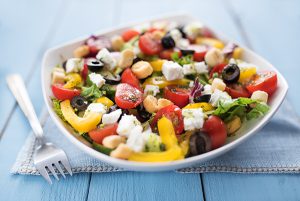
Age-related macular degeneration is the leading cause of vision impairment in older adults, damaging the retina’s central portion (macula) and making everyday tasks like reading and driving increasingly difficult. While genetics and aging play a role, lifestyle choices, particularly those that fuel inflammation, worsen the condition. Modern diets heavy in processed foods, sugars and unhealthy fats have exacerbated the problem, making AMD a growing public health concern.
How the Mediterranean diet fights AMD
Researchers conducted a sweeping meta-analysis, reviewing eight previous studies linking the Mediterranean diet to AMD outcomes. Their findings were striking: long-term adherence to this diet – packed with whole grains, leafy greens and antioxidant-rich produce – slowed AMD progression by 23 percent to 34 percent.
Key nutrients in the diet, including omega-3 fatty acids, vitamins C and E, and the antioxidants lutein and zeaxanthin, actively protect the retina. These compounds neutralize oxidative stress, a major contributor to macular damage. Unlike synthetic supplements, these nutrients are absorbed naturally through food, reinforcing the body’s defences.
The study analysed data from thousands of participants across multiple countries, comparing those who followed Mediterranean eating habits to those who didn’t. Case-control studies showed a 34 percent reduction in AMD risk, while cohort studies demonstrated a 23 percent decrease. Though the number of studies was limited, the consistency of results strengthens the case for dietary intervention.
Critically, the Mediterranean diet’s benefits extend beyond eye health. Decades of research confirm its role in reducing heart disease, diabetes and cognitive decline – proof that traditional, unprocessed diets outperform modern nutritional trends.
Why this matters now more than ever
In an era of skyrocketing healthcare costs and over-reliance on pharmaceuticals, the Mediterranean diet offers a low-cost, side-effect-free alternative. Unlike experimental drugs or invasive procedures, this approach requires no prescription – just a return to whole, nutrient-dense foods.
Yet despite its proven benefits, Western diets continue to prioritize convenience over health. Processed meals, sugary snacks and refined seed oils dominate grocery shelves, accelerating chronic diseases. The study’s findings underscore a pressing need for public health campaigns promoting dietary education before vision loss becomes irreversible.
Practical steps to protect your vision
For those looking to adopt the diet, experts recommend simple swaps:
- Replace processed snacks with nuts and fruits.
- Use virgin olive oil instead of refined vegetable oils.
- Load at least half your plate with colourful vegetables at every meal.
- Supplements containing lutein, zeaxanthin and vitamins C and E may provide additional support, but whole foods remain the gold standard.
Over time, these small swaps may add up to big health changes.
As AMD cases rise globally, this study delivers a powerful message: what we eat directly impacts how we see. The Mediterranean diet isn’t a fad; it’s a centuries-old tradition with life-transforming benefits. For conservatives, the findings reinforce the value of personal responsibility and natural solutions over government-mandated healthcare. By reclaiming control of our plates, we can safeguard our vision and our independence for years to come.
yogaesoteric
July 23, 2025