
The psychology of people who are always calm
There’s a certain kind of person who doesn’t raise their voice even when the world seems to be falling apart. They don’t argue. They don’t panic. They don’t rush to prove themselves right. They just breathe. And while everyone else is fighting to make sense of the chaos, they quietly watch. Like someone who’s already been through this storm before.
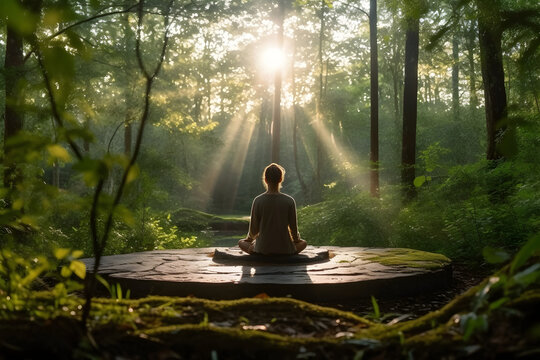
You’ve probably met someone like that. The kind of person who feels like silence itself has wrapped around them. No matter what occurs, they remain composed, steady, grounded, untouchable. And if you’ve ever wondered why some people can stay so calm while others fall apart, the answer is far deeper than you might think. Calmness, real calmness, isn’t the absence of emotion. It’s what is going on when emotion meets understanding. It’s not that these people don’t feel. They do. They just don’t react in the same way anymore.
Once you’ve seen enough, once you’ve realized that panic doesn’t solve anything, you stop fighting storms that can’t be controlled. You learn to stand still in the rain instead. That’s the psychology of calm people. They weren’t born this way. They became this way. See, people who are always calm usually went through phases where they weren’t. They were overthinkers once. They cared too much. They tried to control everything, fix everything, please everyone. And every time they tried, they learned the same lesson. That life doesn’t bend to your will, no matter how hard you push. At some point, they stop pursuing to control the ocean. And instead, they learn to surf it. That’s what calm really is. Not indifference, but emotional wisdom.
Psychologists often describe this as emotional regulation, but that term doesn’t quite capture the soul of it. It’s not just about suppressing emotion or pretending everything’s fine. It’s about understanding emotion so deeply that it no longer has control over you. Calm people aren’t emotionless. They’re emotionally fluent. They’ve learned the language of their consciousness. They can feel anger without exploding, sadness without drowning, and uncertainty without losing balance, as they are quickly alchemizing these feelings. Because inside their consciousness, they hear the voice of wisdom: “This too shall pass.”
And that voice isn’t blind optimism. It’s memory. They’ve lived through enough to know that even the worst moments fade, that panic doesn’t speed up healing, and that peace isn’t found in control, but in acceptance. Most people misunderstand calm people. They think calm means cold, but in truth it often means compassionate. Calm people are the ones who hold space for others when everyone else is panicking. They’re the ones who can say “it’s fine” and mean it. Not because they don’t care, but because they know chaos isn’t permanent. There’s a kind of quiet strength in that. It’s the strength of restraint, of knowing that not every battle deserves your energy, not every insult deserves a reply, and not every storm deserves fighting against it. It’s the strength of choosing peace even when your instincts want to fight.
Why do some people reach this state while others constantly find themselves overwhelmed? The answer lies in a part of the brain called the amygdala, the centre of fear and emotional response. In people who’ve practiced awareness or been through emotionally intense experiences, the amygdala becomes more balanced. It still signals danger, but it no longer hijacks their entire system.
Their prefrontal cortex, the rational thinking part of the brain, learns to step in before the emotion takes over. In other words, calm people have trained their consciousness to pause between feeling and reacting. That pause is their superpower. It’s why in an argument, they can hear something hurtful and not strike back. It’s why they can sit in uncertainty without needing to fill the silence. It’s why when the world is loud, they can still hear themselves think.
That pause, that moment of stillness, is where wisdom lives. But here’s what’s fascinating. Calm people often weren’t taught to be this way through books or therapy. Many learned it the hard way. Through heartbreak, through disappointment, through realizing that reacting quickly often made the situation worse. At some point, they got tired of their own chaos. They got tired of overreacting, regretting, apologizing, explaining. They reached a point where peace became more important than being right. So now when tension rises, they choose silence over shouting. They choose to breathe instead of blame. They choose to let go instead of hold grudges that burn from the inside.
And yet that calmness isn’t always easy. Because sometimes calm people carry storms inside that no one can see. They look peaceful, but their calm is hard earned. It’s the kind that’s forged in pain, not perfection. They’ve cried in private, questioned their worth, felt unseen, misunderstood, and through all that, they discovered that peace isn’t a reward for having an easy life. It’s a discipline you build when you realize that emotional chaos doesn’t serve you anymore.
That’s why people who are always calm tend to think differently. They’re not driven by impulse. They’re guided by perspective. They don’t chase validation. They chase meaning. They don’t need to prove they’re right. They’d rather understand because deep down they’ve realized something most people don’t.
Reacting to everything makes you a prisoner of everything. The calmer you are, the freer you become.
In psychology, there’s something called response flexibility. It’s the ability to choose your response rather than let it choose you. That’s what calm people master. They don’t suppress emotion. They alchemize it. That’s why they’re often the ones who seem so composed during crisis. They know there’s a time to feel and a time to act, a time to process and a time to release. Their calmness isn’t a mask. It’s an internal compass that keeps them aligned no matter how strong the winds get.
And if you look closer, you’ll notice another aspect. Calm people don’t just react differently. They see differently. While most people see chaos, they see patterns. While most see problems, they see lessons. While most see endings, they see beginnings, transformation. They’ve trained their perception to zoom out, to look at the bigger picture instead of getting lost in the moment. That’s what gives them balance. That’s why they can lose something and still say, “Maybe this was meant to occur.”
It’s not denial. It’s perspective born from experience. They’ve realized that when you stop trying to control the uncontrollable, you create space. And that space is where peace begins. Think about that the next time you see someone who never seems rattled. They’re not detached from life. They’re just anchored deeper in it. They’ve stopped being tossed around by every wave because they are aspiring to become the ocean itself.
That’s why calm people often feel like they live in a different dimension, because they do. It’s the space between stimulus and response that defines them. That tiny invisible pause where they decide whether to feed chaos or peace. That pause is the mark of emotional intelligence. Because the truth is calmness isn’t found, it’s created. Every calm person you meet is building it moment by moment. They’ve built it in mornings where they wanted to quit, in conversations where they chose silence over reaction. It’s not easy, but it’s intentional. They’ve trained themselves to be unshaken. Not because life stopped testing them, but because they stopped failing the same emotional tests.
The world celebrates loud success, but rarely honours quiet strength. Yet, it’s the calm ones who carry the most wisdom. They’re the ones who can sit in stillness long enough to actually hear what life is saying. They notice more than they speak. They see through the noise because silence sharpens perception. In that silence, they observe without judgment. And that’s what allows them to understand people so deeply.
If you think about it, calm people are emotional translators. They don’t just hear words, they hear intention. They don’t just see behaviour. They see the wound behind it. They don’t just react to energy. They absorb, decode, and alchemize it. That’s why talking to them feels like therapy. You feel seen, not analysed, understood, not judged, because they’re not listening to respond, they’re listening to understand. That kind of listening requires stillness. And stillness requires strength. Because it’s hard to stay cantered when others are spinning. It’s hard to remain soft when the world keeps aiming to harden you. But calm people do it anyway. Not because it’s easy, but because they know it’s necessary.
They don’t just hear words. They hear intention.
They’ve realized that peace is not the absence of problems. It’s the ability to face problems without losing yourself, and that’s what sets them apart. Most people look for peace in perfect conditions. Calm people create peace within imperfect situations. They don’t wait for the storm to pass. They learn to find stillness inside it.
You’ll often find them with simple routines because simplicity stabilizes the consciousness. A morning ritual, a walk in nature, a glass of fresh fruit juice, a few minutes of silence before sleep. These little habits aren’t random. They’re anchors. Psychologically, repetition builds a sense of control and predictability. And calm people protect that pattern because it keeps them grounded. They know that without small doses of stillness, the consciousness starts to spin stories. And the calmer the consciousness, the clearer those stories become.
But here’s something even deeper. Calmness doesn’t only transform how you feel. It transforms how people treat you. When you stay calm, you become harder to manipulate. You become unpredictable to those who rely on emotional reactions. And that in turn protects your energy because nothing confuses chaos more than someone who doesn’t join it.
It’s a quiet rebellion. When everyone else is racing to respond, the calm person waits. And in that wait, they gain perspective that others miss. They see motives, patterns, dynamics that only reveal themselves in stillness. They don’t rush to conclusions because they’ve learned that truth always unfolds. It doesn’t need to be forced.
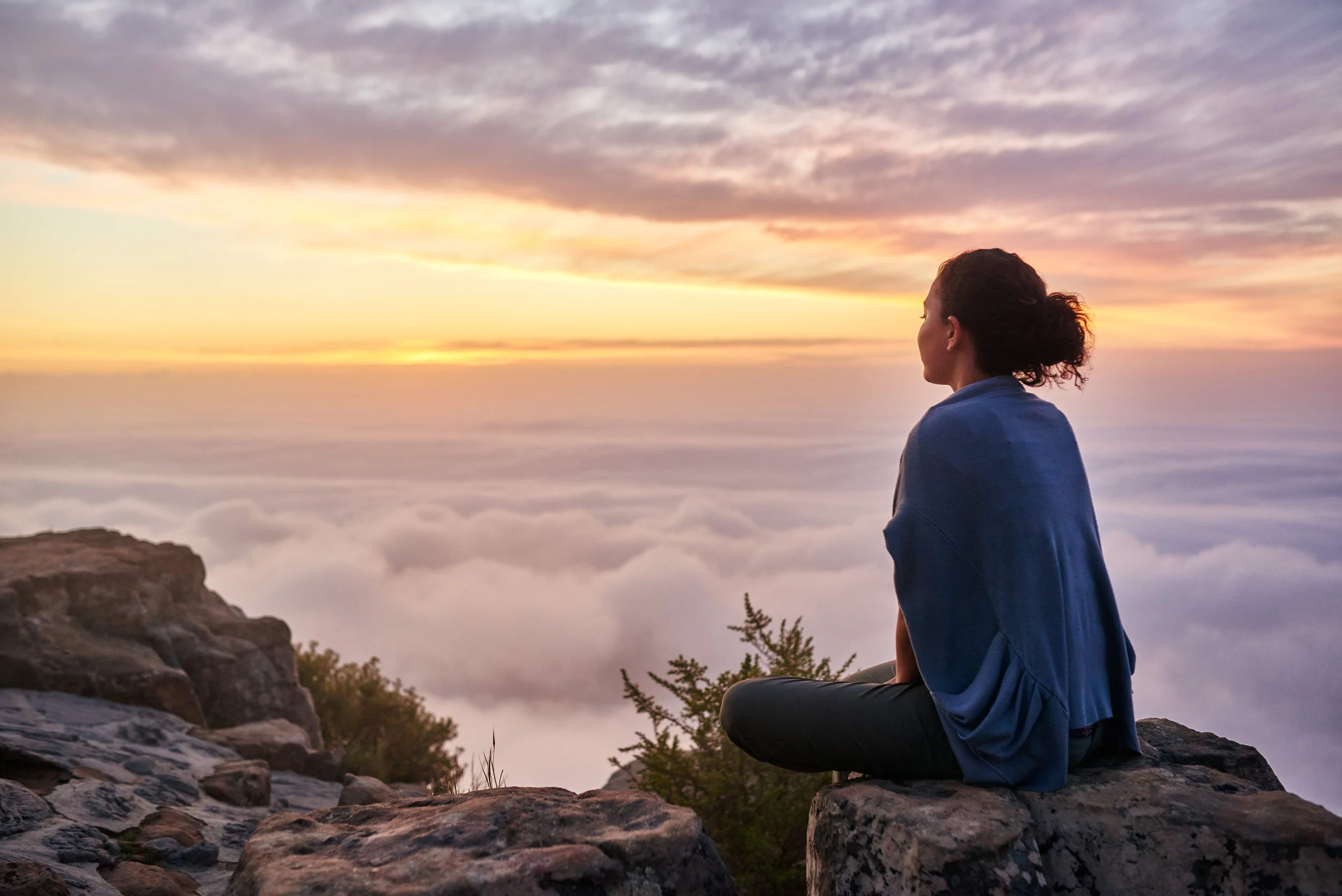
That’s why calm people rarely regret their decisions. They give life enough time to show them what’s real. And maybe that’s the most profound part. Calm people don’t just manage emotion. They respect time. They understand that time reveals what emotion hides. That patience is not inaction, it’s wisdom disguised as delay. So while others chase quick closure, calm people allow the situation to chill. Because they know that rushing understanding is the fastest way to misunderstand.
If you ask them how they stay so calm, they’ll smile and say something like, “I just stopped fighting everything.”
But what they really mean is they stopped fighting life. They stopped aiming to win every argument, control every outcome, rewrite every past, and predict every future. They started trusting life enough to let it unfold.
Trust. That’s the secret ingredient in calmness. It’s not about knowing what will occur. It’s about believing that whatever occurs, you’ll handle it, with the help of God. And that belief doesn’t come from ego. It comes from experience. From surviving enough storms to know you will survive the next one, too.
That’s why calm people often radiate quiet confidence. Not loud, showy confidence, but the kind that feels like gravity. It’s not in their words, it’s in their presence. You just feel safe around them because their energy tells you, “It’s fine. We don’t have to rush. We don’t have to fight. We can just be.”
And maybe that’s what the world needs more of. People who don’t add to the noise, people who can pause before reacting, breathe before speaking, and listen before judging. Imagine if everyone learned to do that just for a day. The world would sound a lot quieter. And maybe, just maybe, that silence would heal more than words ever could.
But let’s be real, staying calm isn’t easy. Even the calmest people lose their balance. Sometimes they get angry, they break down, they feel doubt. But the difference is they know how to return to stillness. They don’t stay lost in emotion. They observe it, understand it, and let it pass. That’s the cycle. Awareness, acceptance, release. Because true calm isn’t about never being shaken. It’s about always finding your way back.
True calm isn’t about never being shaken. It’s about always finding your way back.
The calm ones know that emotions are waves, not walls. You can’t stop them from coming, but you can choose how to surf them. So, they ride the rise and fall of life with grace. They’ve learned that happiness and pain are temporary visitors. And in that acceptance, they find peace that doesn’t depend on what occurs next.
That’s why calm people often feel timeless, as if they’ve stepped outside the race everyone else is running. Because in a way, they have. They’re not chasing peace anymore. They’ve become it.
And maybe you felt that pull, too. That quiet voice inside that says, “I just want peace.”
Maybe you’ve reached the point where chaos no longer excites you. Where silence feels like safety and where you’d rather understand than argue. That’s not weakness. That’s growth. Because calmness isn’t something you’re born with. It’s something you grow into.
And once you do, the world transforms colour. You stop needing noise to feel alive. You start valuing quiet moments, gentle people, slower days. You begin to measure success not by how much you achieve, but by how peacefully you live.
And the best part, the calmer you become, the more clearly you see. People, patterns, purpose. You start noticing how much of life is noise pretending to be important. And once you see that, it’s hard to unsee it. So, you begin simplifying. You declutter your thoughts, your space, your relationships. You choose less and somehow it feels like more.
Because calm people know that the goal isn’t to have a perfect life. It’s to have a peaceful consciousness. And peace doesn’t come from fixing everything outside of you. It comes from learning to rest within yourself, even when nothing outside makes sense.
Because life will always test you. It will shake you, challenge you, break your rhythm. But every time it does, you have a choice. To react or to return. And every time you choose to return to calm, you become a little stronger, a little wiser, a little freer.
So if you’ve ever been told you’re too calm, take it as a compliment. It means you’ve mastered the art of emotional balance in a world that thrives on reaction. It means you’ve learned to see the storm without becoming it. And it means you found the kind of strength that doesn’t shout. It simply is. Because calmness is not emptiness. It’s fullness without noise. It’s power without aggression. It’s emotion without chaos.
But here’s something worth remembering. Calmness is not perfection. It isn’t a permanent state where nothing ever disturbs you. It’s a practice. A decision you make again and again, especially on the days when staying calm feels impossible.
The strongest people aren’t the ones who never feel overwhelmed. They’re the ones who recognize the overwhelm without letting it affect them. They know that peace can bend without breaking. It can disappear for a short while and still be found again.
That’s why calmness is so often misunderstood. From the outside, it looks effortless. From the inside, it’s the result of thousands of invisible choices. Choosing not to respond immediately. Choosing not to assume the worst. Choosing to pause before speaking. Choosing understanding over impulse.
Calmness is built through thousands of invisible choices.
Over time, those choices become habits. Those habits become character. And that character becomes the quiet presence that others naturally trust.
The world often rewards speed, urgency, and constant reaction. It teaches us that louder means stronger, faster means smarter, busier means more successful. But calm people slowly discover a different truth. That clarity grows in stillness. That wisdom arrives after the pause. That the best decisions are rarely made in emotional chaos.
They understand that every reaction costs energy. Every unnecessary argument drains attention. Every moment spent fighting what cannot be transformed steals peace from the present. So, they become intentional with where they invest themselves.
They don’t ignore problems. They simply refuse to become affected by them. They stop identifying with every emotion that passes through them. They realize that thoughts come and go. Feelings rise and fall. Circumstances modify. But awareness remains. That awareness becomes their anchor.
You are not the emotions you feel. Find yourself deep in the awareness that notices it.
Once you understand that, something begins to soften. You stop treating every difficult emotion like an emergency. You stop believing every anxious thought deserves your attention. You stop allowing temporary moments to define your permanent identity.
Instead, you begin responding with curiosity instead of fear. You ask, “What is this emotion going to teach me?” You ask, “Will this matter a year from now?” You ask, “Can I let this pass instead of carrying it?”
Eventually, calmness stops being something you perform for the world. It becomes the place you return to within yourself. A place no circumstance can permanently take away.
And maybe that’s why the calmest people often leave the deepest impression. Because they remind everyone around them that another way of living is possible. A life where peace is not postponed until everything is perfect. A life where strength doesn’t need to announce itself.
The strongest people aren’t the loudest. They’re the ones who refuse to let chaos decide who they become.
Because in the end, calmness isn’t about escaping life. It’s about meeting life exactly as it is, without losing yourself in the process. And that’s one of the most powerful forms of freedom a person can experience.
yogaesoteric
November 29, 2026