
Why we should eat like our grandparents did: Cardiologist calls for real, unprocessed food as a human right!
In a world where access to information is faster and easier than ever before, one of the most overlooked topics is the quality of our food. While we have made significant advances in the food industry in recent decades, we have also seen a worrying increase in processed foods, which often contain unhealthy ingredients. Dr. Alok Chopra, a cardiologist and expert in functional medicine, argues that access to unprocessed food should be a fundamental human right.
The basics of health
Dr. Alok Chopra emphasizes that our health is the foundation of all other human rights. In a video he posted on December 10, Human Rights Day, he explains that our health not only impacts our well-being, but also forms the basis for other fundamental rights. If the air we breathe is toxic and the food we consume contains harmful ingredients, it becomes difficult to live a healthy and fulfilling life.
The influence of processed foods
According to Dr. Chopra, modern diets have seen an alarming increase in ultra-processed foods containing refined sugars, industrial refined oils, corn syrup, emulsifiers, and artificial colours. Not only are these ingredients unhealthy, they can also lead to chronic diseases such as obesity, diabetes, and heart disease.
A study published in the journal BMJ shows a clear link between the consumption of ultra-processed foods and an increased risk of chronic diseases. In this study, over 100,000 participants were observed over a period of several years. The results showed that consuming more than 10% of daily calories from ultra-processed foods increased the risk of heart disease by 25%.
Unprocessed food as a human right
Dr. Chopra argues that unprocessed food is not just a matter of personal prosperity, but a fundamental human right. He calls for access to healthy and unadulterated food to be considered just as important as the right to clean water and air.
The link between nutrition and health
Another study published in the journal Nutrients looked at the role of nutrition in disease prevention. Researchers found that a diet rich in fresh fruits, vegetables, whole grains, and unprocessed foods is significantly associated with a lower risk of chronic diseases.
These findings underscore the need to consider unprocessed food as a human right. When access to healthy food is restricted, not only does personal health suffer, but society as a whole suffers as well.
Lifestyle injustices
Dr. Chopra refers to the effects of unhealthy foods as “lifestyle injustices.” He argues that the prevalence of unhealthy foods and their availability in lower-income communities creates an imbalance that jeopardizes the health of these people. This leads to a vicious cycle of disease and poverty that is difficult to break.
The influence of advertising and marketing
Another factor contributing to the spread of unhealthy eating is aggressive advertising of processed foods. Children in particular are often the target audience for these marketing strategies. Growing up in an environment where unhealthy foods are constantly advertised makes it more difficult to develop healthy eating habits.
Measures for healthy eating
Dr. Chopra urges us to actively advocate for the right to healthy food. There are several steps you can take to improve your own diet while promoting the health of your community.
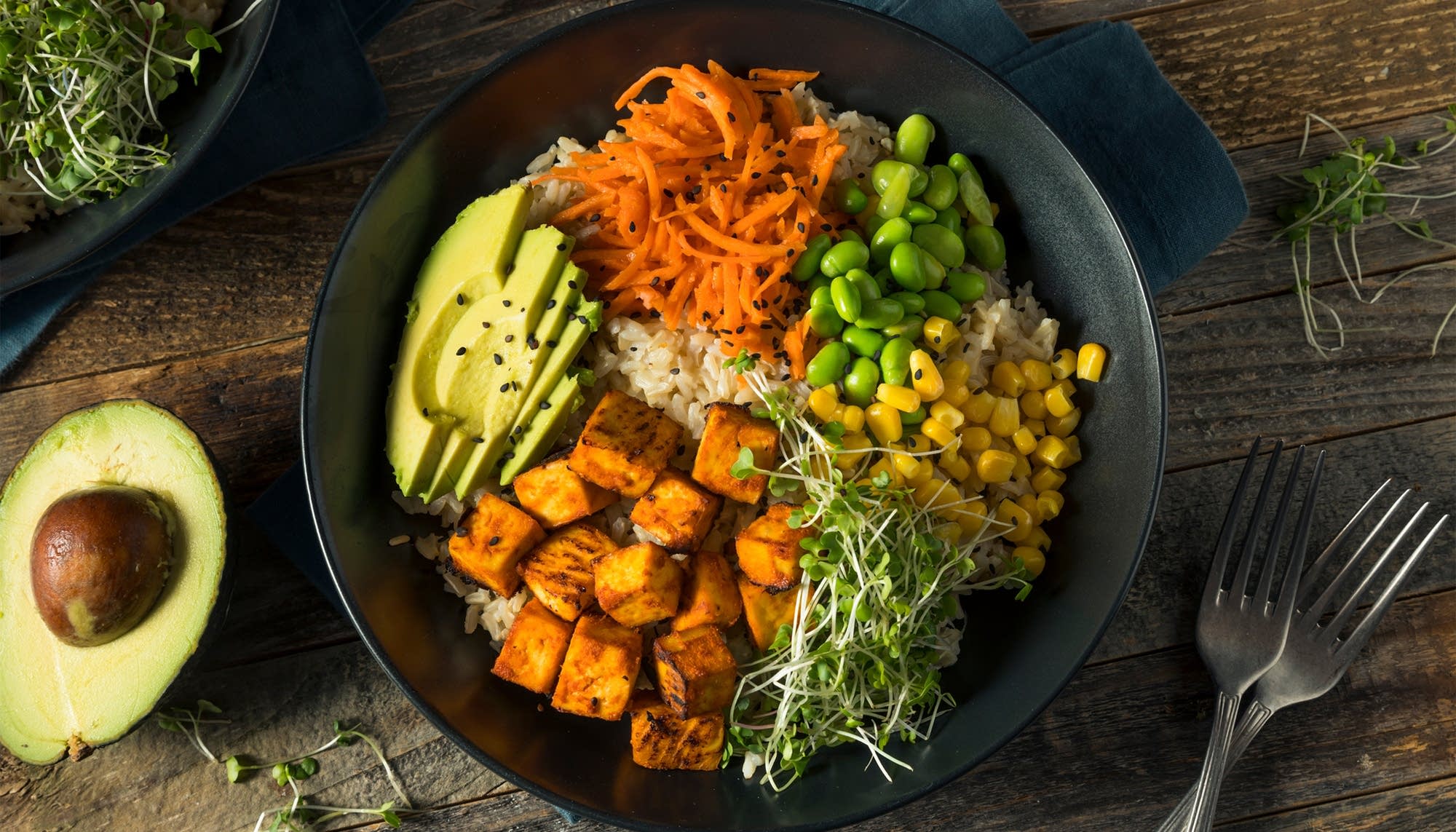
- Conscious eating. Start by eating more consciously. Pay attention to the ingredients in your food and aim to avoid processed products. Instead, opt for fresh, unprocessed food.
- Support local markets. Visiting local farmers’ markets can be an excellent way to purchase fresh and unadulterated food. You will also be supporting local farmers and contributing to sustainability.
- Education and awareness. Get involved in your community to raise awareness about healthy eating. Education is key to informing people about the importance of unprocessed foods and their impact on health.
- Advocate for policy transformation. Advocate for policies that promote access to healthy foods. This can be done at the local, regional, or even national level.
Conclusion
The discussion about unprocessed food as a fundamental human right is not only a question of health, but also of justice. Dr. Alok Chopra has made an important point with his arguments: our health is the foundation on which all other rights are built. If we are unable to eat healthily, all other rights lose their meaning.
It is up to us to fight for transformation. By advocating for access to unprocessed foods and making conscious choices, we can not only improve our own health, but also have a beneficial impact on our community. Remember: you have the right to food that not only nourishes your body, but also protects your health.
In a world where nutrition is often neglected, it is time we recognize unprocessed food for what it is: a fundamental human right.
yogaesoteric
January 17, 2026
Also available in:
 Română