
Winter wellness tips: Embrace the cold and focus on conscious breathing to combat stress
Some people believe you’ll catch a cold if you go outside in the winter. Mainstream winter wellness tips often instruct everyone to stay warm indoors; however, staying docile in these poorly-ventilated environments over the long term actually set the respiratory system up for failure. The best winter wellness tip for healthy adults and children involve intentional exposure of the lungs to the cold environment as early as possible, preparing the sinus passageways and the respiratory system for resilience.
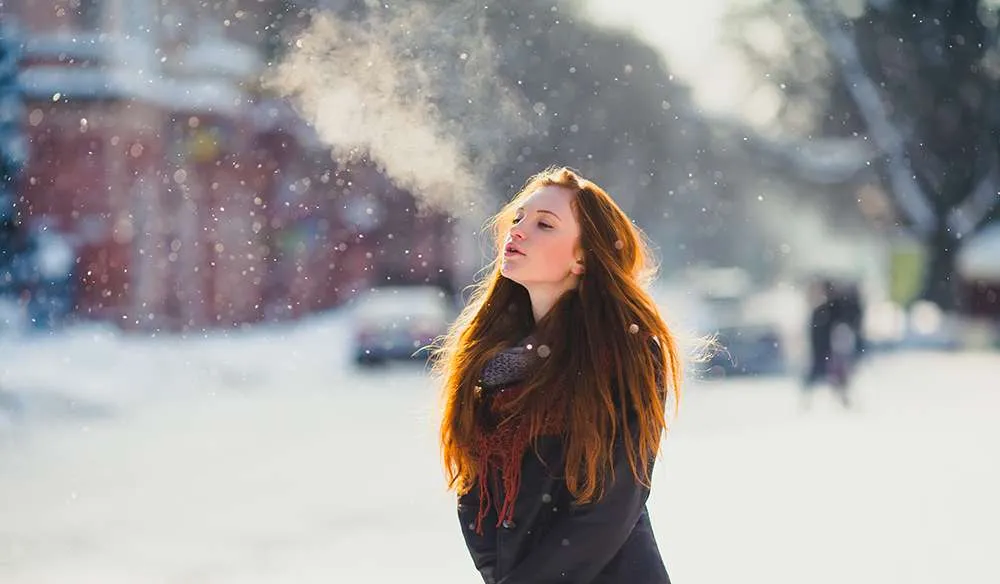
A randomized trial, conducted by Cristopher Siegfried Kopplin and Louisa Rosenthal, reveals that the deliberate combination of specific breathing techniques and cold exposure creates a synergistic effect, significantly reducing perceived stress where either practice alone falls short. This investigation into methods popularized by figures like Wim Hof provides a scientific backbone to holistic approaches for combating stress and illness.
The synergy of stress: How cold and breath rewire resilience
For those conditioned to view all stress as harmful, the study’s premise might seem counterintuitive. It operates on the principle of hormesis, a biological phenomenon where a moderate, acute stressor triggers adaptive responses that make an organism stronger. Cold exposure and controlled hyperventilation are precisely such stressors. The cold shower acts as a form of hydrotherapy, shocking the system and stimulating the sympathetic nervous system and stress hormone release in a controlled, brief dose. The breathing technique involving cycles of deep inhalation and breath retention induces temporary respiratory alkalosis and influences autonomic nervous system function.
When practiced separately over the 14-day trial, these methods showed limited impact on participants’ subjective feeling of stress. However, when combined, they created a powerful tandem effect. Researchers suggest the breathing practice may induce an aware, focused state and an analgesic effect that makes the subsequent cold exposure more tolerable and psychologically potent. This combination appears to train the body and consciousness to not just withstand acute discomfort but to build a generalized buffer against the chronic psychological stressors of daily life. This is a direct rebuke to the conventional model of treating stress-related anxiety with substances that dull the nervous system. Instead, this method aims to fortify or harden the body against stress.
This research arrives at a critical time when perceived stress and its devastating cousins – depression, anxiety, and inflammation-related disease – are at epidemic levels globally. The study notes that perceived stress is a gateway to unhealthy coping mechanisms, including poor diet, substance abuse, and social withdrawal, creating a vicious cycle that benefits industries selling palliatives. The combined breathing and cold exposure protocol represents a form of self-administered biohacking that returns agency to the people. It requires no expensive equipment, prescription, or therapist – just commitment and a willingness to engage with personal discomfort.
Nordic approaches to child rearing in cold environments
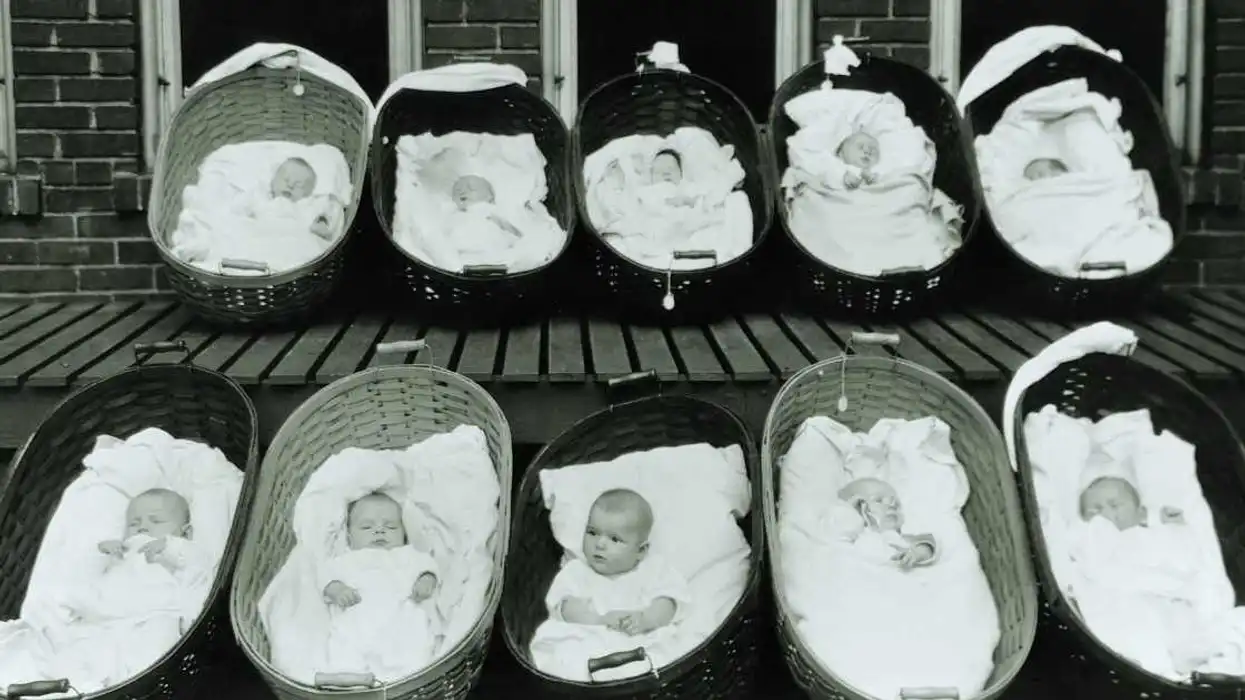
Historically, Nordic countries and Russian childcare, particularly in nurseries and kindergartens, included intentional exposure to cold weather to strengthen immune systems and build resilience. This “hardening” practice involved children napping outdoors, playing in cold temperatures, and sometimes cold-water rinses, believed to boost health and reduce respiratory illnesses.
Key aspects of this practice included:
- Outdoor napping: From the 1950s-1960s, babies were often placed in prams on verandas or outside to sleep, even in freezing temperatures.
- “Hardening” philosophy: Cold air was viewed as invigorating, strengthening the immune system, and improving appetite.
- Controlled exposure: While exposed to cold, children were still warmly dressed in layers (sheepskin, wool) but not “overprotected”, to encourage natural tolerance.
- Unorthodox school activities: In Siberia, some traditional methods included pouring cold water over children, especially after using a sauna.
While this practice was widespread, it has become less common in modern times, though it remains a part of the historical and cultural approach to child-rearing in Nordic countries and Russia.
In conclusion, a combination of deep breathing practices and controlled cold exposure during the winter is a time-tested, consciousness-body experience of toughness that equates to resilience through the cold, winter months.
yogaesoteric
February 4, 2026