
Castor oil packs: an old-school detox technique worth revisiting
Castor oil packs are back in rotation after decades out of fashion. Here’s what a pack actually is, what the small body of research supports (and what it doesn’t), and how to use one safely at home. A grounded look at an old technique through a root-cause, support-don’t-manage lens.
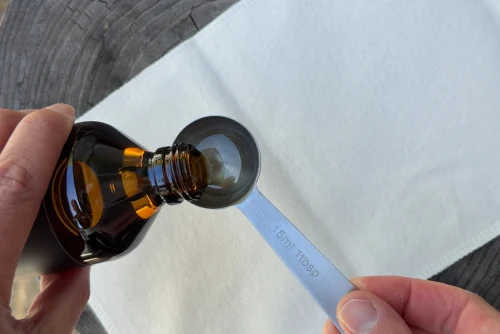
Castor Oil Packs: An Old-School Detox Technique Worth Revisiting
Castor oil packs are pieces of flannel soaked in cold-pressed castor oil, laid over the abdomen with gentle heat for 45 to 60 minutes. People use them to support digestion, ease abdominal tension, and wind down at the end of the day. The oil is roughly 90% ricinoleic acid, a fatty acid that appears to interact with the same inflammatory signalling pathways that over-the-counter pain relievers act on, and the warmth plus light compression works a lot like abdominal massage.
The short version: castor oil packs are not a magic drainage system, and they will not flush toxins out of your liver on their own. What they can do is create a calm, warm, low-effort window in your day where your nervous system shifts out of go-mode and your digestion gets a nudge.
Why castor oil packs keep coming back
Your grandmother may have kept a bottle of castor oil in a cabinet. Natural medicine practitioners used packs heavily through the mid-1900s, the practice faded, and then it resurfaced a few years ago on video feeds full of people wrapping their midsections before bed. The technique never really disappeared. It just stopped being fashionable for a while.
Part of the appeal is how little it asks of you. There’s no capsule to remember, no schedule to follow, no big cost beyond a bottle of oil and a piece of cloth. And it requires you to lie still for an hour, which is arguably half the benefit.
What the research actually shows
The most-cited human trial was conducted in two rest homes in Turkey and looked at older adults dealing with constipation. Published in a 2011 paper indexed on PubMed, it found that the packs did not modify how often participants had a bowel movement or how much they passed. What did transform were the uncomfortable parts: stool consistency scores, straining, and the sense of not fully finishing. Participants felt better even though the numbers on the chart barely moved.
The broader mechanism story is still being worked out. Ricinoleic acid binds to certain prostaglandin receptors, which is the pathway behind its long-known effect on the gut when taken by mouth. Whether meaningful amounts cross intact abdominal skin is unsettled, a review of the current evidence points out that the “topical liver detox” in still understudied. Reviews of topical castor oil generally conclude the same: interesting, plausible, needs more studying.
Then there’s the part nobody disputes. Warmth and gentle pressure on the belly, with you lying flat and breathing slowly, is close to abdominal massage, and abdominal massage has real trial support for easing constipation symptoms. You can read a fuller breakdown of the original constipation trial if you want the methodology.
How castor oil packs fit a root-cause approach
Your body already runs a full elimination system. The liver processes, the kidneys filter, the bowels carry out, the lymph moves fluid, the skin sweats. None of that needs to be replaced. It needs to be supported, and it works better when you aren’t fighting it with chronic stress, dehydration, and irregular meals.
A castor oil pack fits that philosophy because it doesn’t override anything. It creates conditions. You lie down, your breathing slows, your parasympathetic nervous system takes over, and digestion is one of the first aspects that improves when your body decides it’s safe to relax.
How to use a castor oil pack
The method has barely modified in a century.
- Choose your oil. Cold-pressed, hexane-free castor oil in a glass bottle. Plastic bottles and heat-extracted oils are the two elements worth avoiding.
- Prepare the cloth. Fold a piece of undyed cotton flannel into two or three layers, large enough to cover from the bottom of your ribs to your hip bones. Saturate it until it’s soaked through but not dripping.
- Place it. Lie down and lay the pack over your abdomen. Most people cover the right upper side (where the liver sits) or the whole lower belly, depending on what they’re after.
- Cover and warm. An old towel or a wool wrap on top keeps it contained. Castor oil stains permanently, so use fabric you’ve already given up on. Gentle warmth from a heating pad on low is traditional, though not strictly required.
- Rest for 45 to 60 minutes. Read, breathe, or listen to relaxing music. Don’t multitask through it.
- Clean up. Wipe with a cloth dampened with a little baking soda and water. Store the flannel in a glass jar in the fridge and reuse it several times, adding oil as needed.
Two or three evenings a week is a reasonable rhythm. Doing it nightly for a week and then abandoning it does less than a modest habit you keep long term.
Who should skip it
Don’t use a pack on broken or irritated skin. Skip it during pregnancy, during menstruation if it feels uncomfortable, and if you have any active abdominal condition without checking with your practitioner first. Patch-test on your forearm if your skin reacts easily to new oils. And castor oil taken internally is a different situation entirely with its own considerations, so don’t treat a pack as a reason to start drinking it.
Where nutrition comes in
A pack is a supporting player. What you eat and how consistently you eliminate matter far more, and no amount of warm flannel compensates for a diet with almost no fibre in it. If your digestion needs more foundational help, build your diet around the plant-based whole-food approach.
Worth revisiting?
Castor oil packs are a low-risk, low-cost, quietly pleasant ritual with modest research behind them but a long history of people finding them helpful. With castor oil packs you’ll have added one more small, sustainable habit to a life built on them.
yogaesoteric
September 24, 2026