
EU opens door for new genetically modified plants – Chinese GMO soy approved for the first time
The EU approves four new GMO crops – including, for the first time, Chinese genetically modified soy for Europe’s food chain.
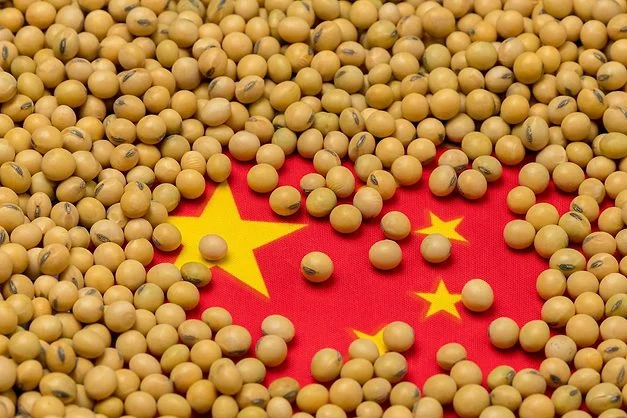
The European Commission has officially approved the import and processing of four new genetically modified (GMO) plants for use in food and feed within the European Union. The decision was published in the Official Journal of the European Union on March 12 and is valid for the next ten years.
Specifically, the approval concerns:
- two genetically modified cotton varieties,
- a variety of corn
- a new soybean variety.
The approval does not permit the cultivation of these plants within the EU, but it does allow their import, industrial processing, and use in European food and feed production. This means that corresponding raw materials can now officially be integrated into European supply chains – even though the cultivation of genetically modified plants within Europe remains highly controversial politically.
Chinese GMO soy approved for Europe for the first time
Particularly noteworthy is the approval of the genetically modified soybean variety DBN-09004-6.
This variety was developed by a Chinese biotechnology company. For the first time, the European Union is now officially permitting the import of precisely this Chinese GMO soybean variety into the European market.
In addition, the EU Commission extended existing approvals:
- for a genetically modified corn variety
- for a combined cotton variety.
Labelling and traceability remain mandatory
The European Commission emphasizes that all approved GMO products remain subject to European regulations on labelling and traceability.
This is intended to ensure traceability along the entire trade and production chain:
- which products are genetically modified
- and where they come from.
According to the Commission, the decision does not modify the fundamental European policy on GMO cultivation. The actual cultivation of genetically modified plants within the EU will remain strictly regulated and politically sensitive.
Member States can continue to prohibit cultivation
In a statement on the decision, the Dr. Rath Foundation points out that EU member states retain the right to partially or completely prohibit the cultivation of GMO plants on their territory, despite European approvals.
The organization refers to a recent ruling by the European Court of Justice.
Accordingly, member states may restrict or prohibit the cultivation of genetically modified plants, even without detailed technical justification – provided that the respective authorization holder does not object.
This means that European genetic engineering policy remains divided: while Brussels is increasingly opening up new GMO products for import and processing, individual states may retain the option of continuing to block direct cultivation in their own country.
yogaesoteric
May 29, 2026