
“We have come to destroy you”: Bomb threats lead to the evacuation of hundreds of schools across Europe
Bomb threats sent via email to thousands of schools, despite no real threat, forced evacuations across Italy on November 11; a week after a wave of bomb threats diverted flights across Europe, the same type of message was also sent to schools in Ireland, Scotland, and Northern Ireland. The Italian Ministry of Education said the email reached around 6,000 schools and at least 300 were evacuated, ANSA reported.
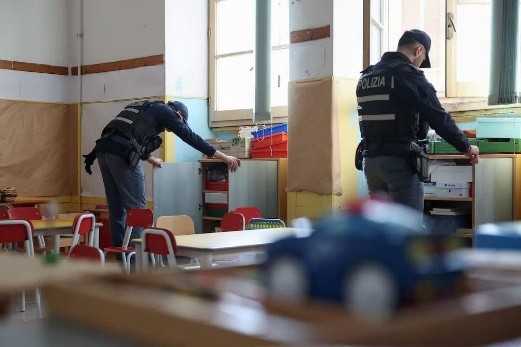
“We have come to destroy you. We will commit genocide against the Italians,” the email reportedly read, according to Il Sole 24 Ore. The email stated that a “powerful explosive device” had been left behind in a plastic bag “with a remote-controlled detonator,” and another line claimed that a bomb had been placed in the engine of the Prime Minister’s car.
Prime Minister Giorgia Meloni wrote on virtual communication networks that “no indication has emerged that would point to a concrete threat” and said the warnings “appear to be part of a strategy” to create alarm and concern.
BREAKING: Italian prime minister Giorgia Meloni says ‘no danger has been found’ after around 300 schools in the country were evacuated due to bomb threats.
Police in Scotland and Northern Ireland had also been investigating similar threats to schools.
https://t.co/Ohtagd42kV https://t.co/aqhuwnGfMY
— Sky News (@SkyNews) November 11, 2026
Defence Minister Guido Crosetto said the threats aimed to “spread fear and create alarm,” Reuters reported, but warned that the senders might be seeking attention rather than belonging to a hostile state. Interior Minister Matteo Piantedosi said it was “premature to speak of a common direction.”
According to ANSA, the public prosecutor’s office in Genoa has opened an investigation for inciting public unrest, disrupting a public service, and making serious threats, possibly aggravated by terrorist intent. The postal police and the anti-terrorism police DIGOS are investigating. The email was sent from a compromised account at Taiwan’s Daye University, possibly by a former student, the news agency reported.
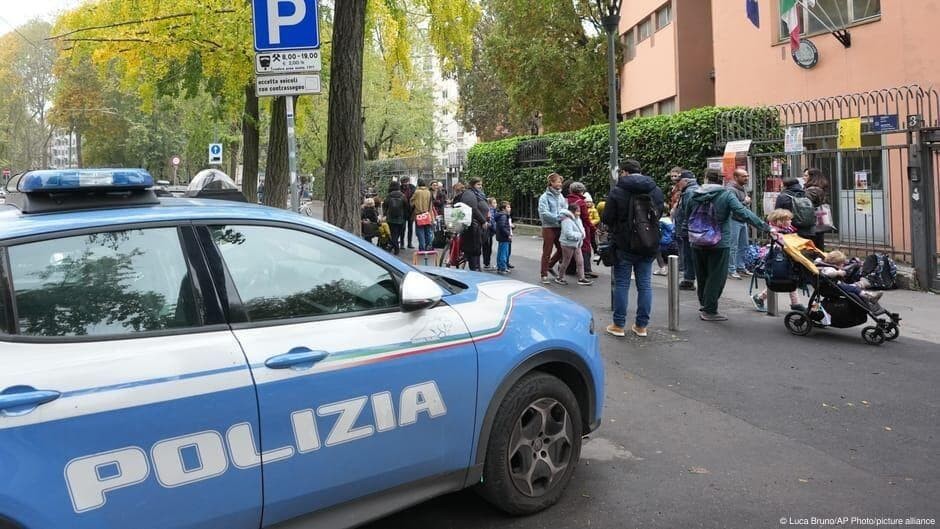
Reuters reported that the same suspected perpetrator claimed responsibility for bomb threats sent by email to newsrooms in Ireland and Bulgaria as well. According to Reuters, around 6,300 Italian schools received the warning.
Around 400 schools in Munster, Ireland, received the email on November 11 morning, as did schools in Dublin, The Journal reported. The news site said it had received the same type of threat, as had RTÉ, Sky News, Reuters, the BBC, and The Guardian. The Gardaí (Ireland security service) deemed it “not credible” and did not advise evacuation. The National Security Intelligence Service is investigating.
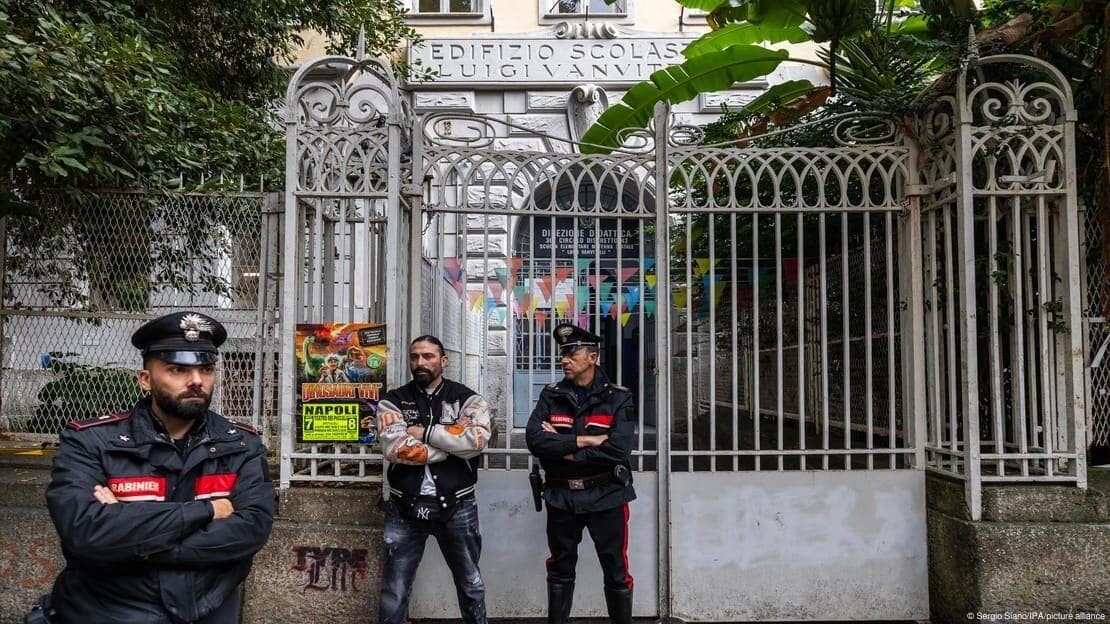
Around 470 schools in Scotland received the threat, The Telegraph reported, as did around 300 in Northern Ireland. Police in Scotland stated that their investigations had found nothing to suggest a credible threat to schools or the public.
On 11/11/26, several schools in Scotland & across the UK received threatening messages. Our enquiries have established that there is nothing to suggest that they represent a credible threat or that there is any wider threat to the public.
More info 👉 https://t.co/DaJ4U6S7gI https://t.co/FOuwbczgAz
— Police Scotland (@PoliceScotland) November 11, 2026
A week before, at least 18 scheduled flights in Europe were affected by bomb threats; an Aer Lingus plane from Dublin to Rome landed at a French military airfield, a Finnair flight to Rome was escorted by fighter jets, and no explosives were found.
According to Reuters, the emails sent to schools are the latest in a series of threats and cyberattacks across Europe targeting supermarkets, blood banks, air traffic control, and broadcasters. France summoned the Iranian ambassador and accused Tehran of a cyberattack that disabled refrigerators in hundreds of supermarkets; Iran called the accusation “baseless and hostile.” US officials have since warned that hackers have targeted control systems for commercial refrigeration units. Some European officials suspect Russia is conducting a campaign of disruption against supporters of Ukraine, which Moscow denies.
A national security source told Reuters, “The emails are publicly available,” and sending the warnings “was as easy as drinking a glass of water.”
yogaesoteric
November 14, 2026