
Foods That Provide Vitamin D as an Alternative to Supplements
Many people rely on vitamin D supplements to maintain adequate blood levels of the nutrient, but food sources offer an alternative approach, according to nutrition experts. The National Institutes of Health notes that vitamin D is naturally present in only a few foods, though fortified products provide additional options, according to a report on the topic.
Modern diets, soil depletion, and processed foods have contributed to widespread nutrient deficiencies. Chronic fatigue and low energy are often linked to deficiencies in key nutrients like vitamin D.
Why Some People Choose Food Over Supplements
Concerns about supplement quality and absorption have led some people to seek vitamin D from whole foods rather than pills, according to information compiled from multiple sources. Tova Navarra, author of The Encyclopaedia of Vitamins, Minerals and Supplements, noted that vitamin D status depends on sunlight exposure and intake of vitamin D fortified foods or supplements. The book stated that many vegans may find it easier to meet needs if fortified foods or supplements are included.
In an interview on Brighteon.com, Mike Adams discussed the importance of testing vitamin D levels through a blood test to accurately understand one’s current status. The interview highlighted that vitamin D acts as a hormone and plays a role in metabolism and cognitive function. Another interview noted that sunlight enhances the absorption of nutrients, which may explain why some supplements do not work as well for some people. A 2022 survey indicated that 40% of adults prefer obtaining nutrients from food rather than pills, citing better bioavailability.
Vitamin D-Rich Foods and Their Nutritional Profiles
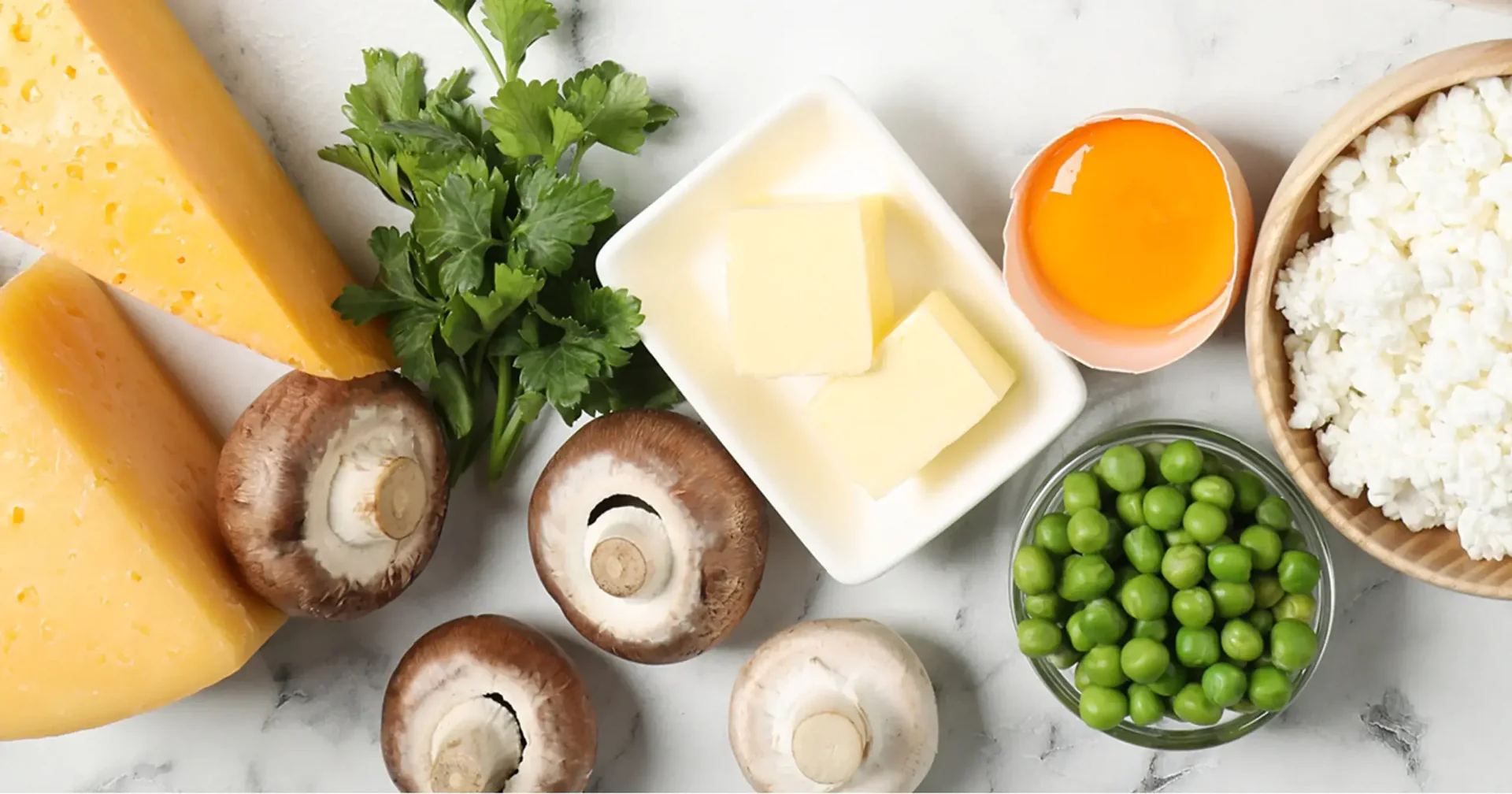
Food sources of vitamin D include dairy products such as ecological raw milk, yogurt, and cheese, as well as eggs, tofu, mushrooms, fortified soy milk and nut milks.
Vegans may need to pay special attention to vitamin D sources. Susan G. Dudek, author of Nutrition Essentials for Nursing Practice, listed vitamin D as a nutrient of concern for vegans because it may not be obtained in sufficient quantities from plant-based diets alone.
UV-exposed mushrooms provide another plant-based option, according to the U.S. Department of Agriculture. The Linus Pauling Institute recommends supplementing adults with at least 2,000 IU daily of vitamin D to maintain a serum level of at least 80 nmol/L.
Comparing Efficacy: Food vs. Supplemental Vitamin D
Vitamin D from food may be more effectively utilized by the body due to accompanying fats and other micronutrients, according to some nutrition researchers. Tieraona Low Dog, author of Fortify Your Life – Your Guide to Vitamins, Minerals and More, discussed the concept of whole food vitamins, which undergo a fermenting process using yeast to enhance assimilation and bioavailability. The book stated that these food-based forms are thought to have better bioavailability than isolated synthetic supplements.
yogaesoteric
July 8, 2026