
Nature’s classroom: How green spaces shape young consciousness for success
A new study reveals that children who grow up near parks and green spaces develop stronger, more resilient brains – particularly in areas tied to learning, focus and emotional control. Researchers from King’s College London analysed brain scans of over 7,000 children in the U.S. and found that exposure to nature may be just as critical to healthy brain development as good schools and stable homes. The findings, published in Biological Psychiatry, suggest that policymakers, educators and parents should rethink how urban environments influence the next generation.
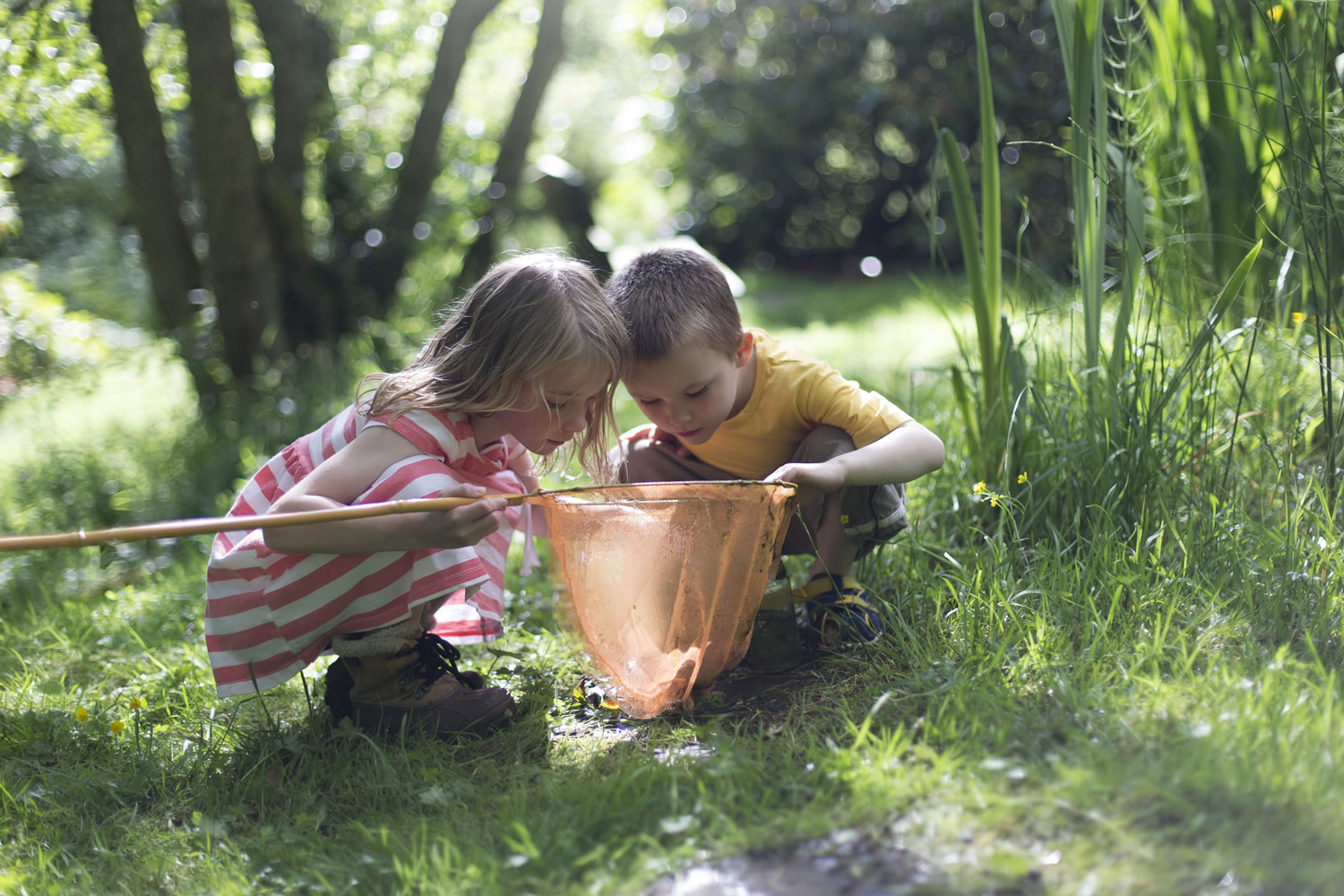
The science behind green space and brain growth
Using data from the Adolescent Brain Cognitive Development (ABCD) study – the largest long-term research project on brain development in the U.S. – scientists measured how living near trees and parks affected children’s brains between ages 9 and 12. Satellite images tracked greenery near each child’s home, while MRI scans captured changes in brain structure two years later.
The results were striking: Kids with more access to nature had thicker, more developed brain regions linked to attention, language and motivation. Key areas like the prefrontal cortex – responsible for planning and decision-making – and the striatum, which governs reward and goal-setting, showed measurable growth. Even brief, regular exposure to green spaces appeared to slow the natural thinning of grey matter that occurs during adolescence, a process often accelerated by stress.
Nature vs. nurture: A surprising finding
Contrary to expectations, green space had a stronger influence on brain development than household income, parental education or neighbourhood conditions. While wealthier families often provide enriched learning environments, this study suggests nature itself may be an irreplaceable developmental tool.
Researchers theorize that natural settings lower stress hormones like cortisol, which can damage developing brain circuits when chronically elevated. Unlike urban environments – filled with noise, screens and cognitive demands – parks and forests offer a restorative break, allowing young consciousness to recharge.
The psychic health connection
Past studies have linked green space to better academic performance and fewer behavioural issues, but this research digs deeper into why. Children near nature showed slower thinning in brain regions tied to emotional regulation, suggesting nature may act as a buffer against anxiety and depression.
One theory, called “attention restoration,” posits that natural stimuli – like rustling leaves or birdsong – engage the brain gently without overloading it. In contrast, city life bombards children with distractions, exhausting their psychic focus. Even a 20-minute walk in a park has been shown to boost memory and creativity in other studies.
Despite the benefits, today’s children spend far less time outside than previous generations. Screens, structured schedules and shrinking green spaces in urban areas have reduced unstructured play in nature – a trend some experts warn could have long-term consequences.
The study’s authors urge cities to integrate more trees, gardens and natural playgrounds into schoolyards and neighbourhoods, especially in low-income areas where parks are scarce.
John Krystal, editor of Biological Psychiatry, said: “It is equally important to highlight exposure to green spaces and other beneficial environments and their contributions to human thriving and resilience.”
A conservative case for green urbanism
While environmental policies often spark partisan debates, this research transcends ideology. Supporting green spaces isn’t just about climate activism – it’s about equipping children with the cognitive tools to thrive. Conservatives, who traditionally champion family values and self-reliance, should take note: Nature may be one of the simplest, most cost-effective ways to foster resilience and academic success.
As urbanization accelerates, ensuring children have access to nature isn’t a luxury – it’s a necessity. This study adds to mounting evidence that green spaces don’t just beautify cities; they build healthier brains. For parents, the takeaway is clear: A walk in the park isn’t just leisure – it’s homework for the consciousness.
yogaesoteric
July 30, 2025