
A Splash of Colour Is One of the Easiest Ways to Boost Happiness
Colour has surrounded human life since before we had words for it, yet the spaces where you likely spend most of your time have become noticeably muted. More than 80% of cars on the road today are grayscale – white, black, grey or silver – a dramatic shift from three decades ago, when bold colours were far more common. At the same time, designers and researchers who study colour argue that this gradual shift toward bland environments has quietly changed what we see every day.
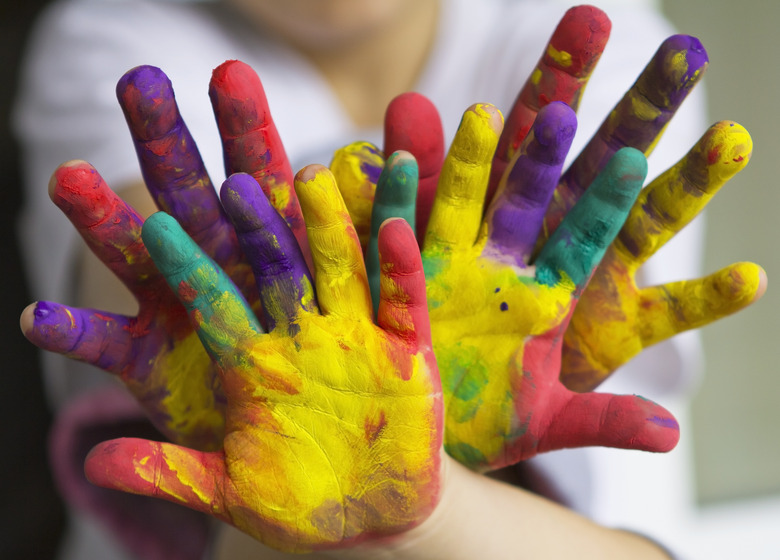
Instead of dismissing colour as simple decoration, it deserves attention because even small visual details influence how we feel from morning until bedtime. You don’t need to repaint your house or overhaul your wardrobe.
The real leverage comes from understanding why your brain responds to colour the way it does, and that explanation reaches back thousands of years into human evolution. Once you see that connection, everyday objects you already own become surprisingly powerful tools for lifting your mood. But colour is only part of the story.
If you’ve ever reached a goal you worked toward for months or years only to feel the excitement fade within days, you already understand a deeper problem with how most people think about happiness itself. There is a better framework, one that turns joy from a distant reward into something you experience right now, and it pairs naturally with the colour strategies you’re about to discover.
Bright Colours Give Your Brain an Instant Lift
A feature published by TIME explored why bright colours have such a powerful effect on our emotions and why even small, intentional transformations to our surroundings create noticeable improvements in how we feel. Rather than focusing on expensive home renovations or major lifestyle modifications, the article examined how ordinary objects, such as a tea mug, front door, umbrella or pair of shoes, influence our mood because we interact with them repeatedly throughout the day.
The article drew on interviews with Ingrid Fetell Lee, founder of The Aesthetics of Joy and author of Joyful: The Surprising Power of Ordinary Elements to Create Extraordinary Happiness, Colour Factory CEO Ben Williams, and colour psychologist Karen Haller. Instead of treating colour as decoration, these experts described it as a practical tool that influences how your brain processes everyday experiences.
Unlike many wellness trends that require significant time or money, this approach starts with items we already use every day. That means we have an opportunity to improve our environment immediately without completely modifying our lifestyle.
Your brain still reacts the way it did thousands of years ago – According to Lee, humans evolved colour vision partly because it helped our primate ancestors locate ripe fruit among dense green leaves. Although your daily routine looks very different today, those ancient brain circuits remain active. Lee explained that bright colours still act as signals of life and energy, telling your brain that something valuable deserves attention.
As she described it, “We evolved to find joy when we see bright colour, because that means nourishment is coming.” That helps explain why a colourful object often catches our attention before anything else in the room. Instead of requiring conscious effort, your brain reacts automatically because those survival pathways have remained intact throughout human evolution.
Brightness matters more than picking the “perfect” colour – Most people focus only on whether something is red, blue or green. Lee pointed out that two additional qualities have a much larger influence on emotional response: how light the colour appears and how pure or saturated it is. Saturated means a colour looks rich, vivid and intense instead of faded or grey.
Think of the difference between a fire-engine red and a dusty rose, or a cobalt blue and a washed-out periwinkle. Both pairs contain the same base hue, but the saturated version commands your attention while the muted one fades into the background. Lee explained that “Any hue can bring joy,” but colours that contain a lot of grey lose much of that emotional effect because they appear muddy instead of vibrant.
This means your favourite colour matters less than choosing a version of that colour that looks bright and lively. You don’t need to fill an entire room with bold colours, either. The article emphasized that small bursts of colour often provide all the stimulation your brain needs while avoiding the visual overload that comes from covering every wall or piece of furniture in bright shades.
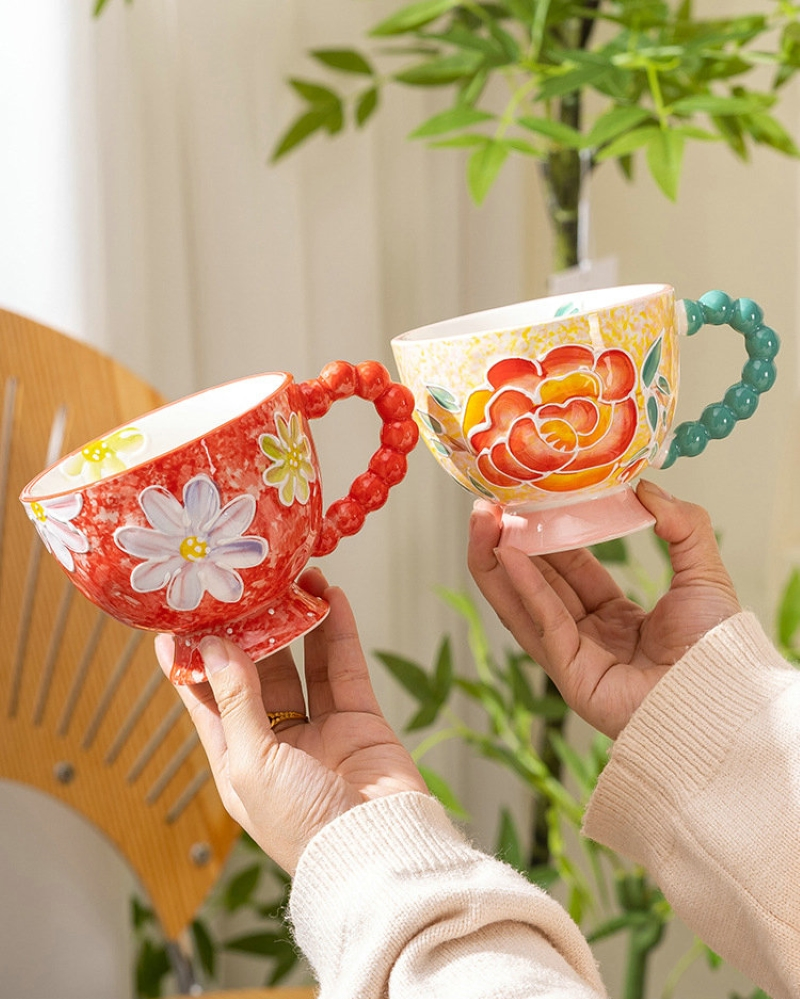
The objects you touch every day have the greatest influence – Instead of saving colourful items for special occasions, Lee recommended placing them into your daily routine. She explained that a brightly coloured tea mug you use every morning offers more emotional value than decorative glasses that remain inside a cabinet most of the year.
Williams expanded on this idea by encouraging people to choose colourful everyday accessories such as shoelaces, earrings, keychains, backpacks or umbrellas because frequent interaction reinforces the positive emotional response. He even suggested something as simple as writing with a blue marker instead of a black one to introduce more colour into routine tasks.
Personal memories determine which colours make you happiest – Haller explained that there is no universally “correct” colour because emotional responses depend heavily on your own experiences. A particular shade often reminds you of a vacation, favourite place, loved one or meaningful event, even if you don’t immediately recognize the connection.
Haller summarized this idea simply: “There’s no wrong colour. It’s what’s right for you.” Instead of following design trends or someone else’s recommendations, she encouraged people to identify colours that naturally trigger beneficial memories and emotions. She also warned against assuming that more colour automatically creates more happiness.
Her advice was to think of colour like turning the volume knob on a radio. Highly saturated colours provide strong stimulation, so a little often produces a better result than covering an entire room with the same bright shade.
What makes colour so effective is that it works through repetition, not intensity; a small joyful signal encountered dozens of times a day. That principle raises a bigger question: if micro-moments of pleasure shape your mood more reliably than you expected, how do they compare to the major achievements most people spend years chasing? The research on that question challenges some deeply held assumptions about what a satisfying life actually requires.
Daily Joy Builds a More Satisfying Life Than Chasing Milestones
In an article, Lee challenged the conventional idea that success depends on promotions, higher income, status or recognition. Instead, she explored why joy deserves to become your primary measure of a fulfilling life. The article examined psychological principles and practical examples that help explain why people often feel unfulfilled even after reaching goals they spent years pursuing.
Lee argued that many people postpone happiness until they reach the next milestone. That approach creates a cycle where satisfaction always remains somewhere in the future instead of becoming part of everyday life. Her message is straightforward: success feels more meaningful when your daily routine includes regular moments of joy instead of waiting for one major achievement to provide lasting happiness.
This shift matters because it places something important back under your control. You can’t always control promotions, awards or financial outcomes, but you control many of the choices that influence how each day feels.
Waiting for happiness often leaves people disappointed – Lee described a psychological concept called the “arrival fallacy” – the gap between the happiness you expect a goal to deliver and the happiness it actually provides. The pattern is predictable: you sacrifice present enjoyment for a future payoff, reach the goal, feel a brief surge of satisfaction, and then watch it fade far faster than you expected.
After finally reaching the goal, many immediately begin chasing another one instead. As Lee wrote, “We often reach our desired milestone only to find the promised happiness has somehow slipped through our fingers.”
If that pattern sounds familiar, try a simple exercise. Think about one accomplishment that once seemed life-transforming. Then ask yourself how long that excitement actually lasted. That reflection often reveals how quickly external achievements become normal while everyday experiences continue to shape your overall happiness.
Small joyful moments create a beneficial cycle that strengthens motivation – Rather than treating joy as a reward after hard work, Lee explained that joy actually helps produce better work. She described research showing that joyful people perform better across several areas, including memory, creative thinking, problem-solving and productivity. Joyful salespeople build stronger customer relationships, while joyful leaders encourage greater teamwork and collaboration.

Joy creates what psychologists call an “upward spiral,” meaning one beneficial experience increases the likelihood of another. Feeling happier makes you more engaged. Greater engagement leads to more satisfaction. That satisfaction encourages creativity, curiosity and stronger relationships, which create even more joyful experiences.
Instead of trying to force motivation every morning, you become more motivated because your daily routine includes experiences that naturally energize you. That creates momentum instead of exhaustion.
Workplace research reinforces the pattern. A 2021 survey by management consulting firm Kearney found that 61% of working adults experienced less joy at work than they expected, a gap that widened across every generation and industry between 2018 and 2021.
The employees who reported the most satisfaction weren’t necessarily in better jobs; they were the ones who received sincere recognition, understood how their work served a meaningful purpose and maintained genuine social connections with coworkers.
Your daily routine matters more than occasional major events – Lee emphasized that a meaningful life develops from ordinary moments repeated over time rather than rare celebrations. Relationships grow through everyday conversations instead of a single memorable vacation.
Career satisfaction comes from enjoying your work most days instead of relying on one promotion every few years. She reinforced the point with Annie Dillard’s observation that how you spend your days is, ultimately, how you spend your life – a reminder that long-term quality of life isn’t decided in rare peak moments but in the texture of ordinary mornings and evenings.
Success looks different when it matches your own values – Lee encouraged readers to redefine success in ways that reflect their personal priorities instead of comparing themselves with everyone else. She suggested evaluating success through presence, meaningful relationships, personal values, vitality and freedom instead of status alone.
One example came from Patagonia founder Yvon Chouinard, whose company encourages employees to spend time surfing when conditions are ideal rather than remaining chained to a rigid schedule. The philosophy focuses on aligning work with personal values instead of measuring productivity by hours alone.
Lee also highlighted Ina Garten’s practice of concentrating on doing her best each day instead of becoming consumed by distant long-term goals. These examples reinforce an important lesson: your definition of success doesn’t need to match anyone else’s. When your choices reflect what truly matters to you, satisfaction becomes part of everyday life instead of something reserved for special occasions.
Analysis by Dr. Joseph Mercola
yogaesoteric
October 18, 2026