
Simple daily habits to protect and strengthen tooth enamel
In a way, teeth are like little nesting dolls. At the centre is the pulp, which contains nerves and blood vessels. Dentin surrounds the pulp, and enamel forms the protective outer covering of the tooth’s crown.
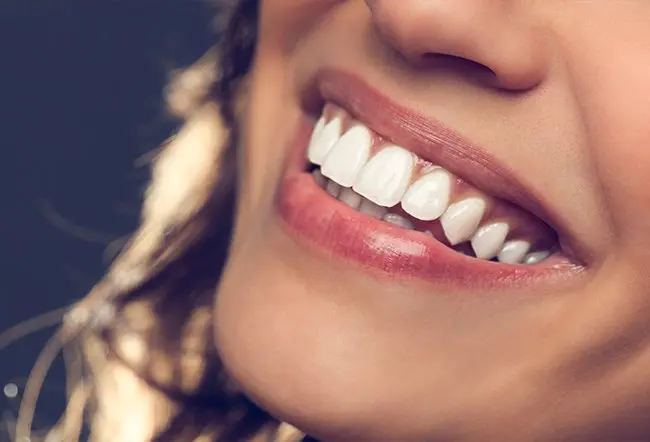
“Tooth enamel is the highly mineralized outer layer of the tooth,” says Ronald Perry, professor in the Department of Comprehensive Care at Tufts University School of Dental Medicine. Enamel keeps the tooth’s inner layers safe from the sugars and acids we eat, and from the impact of daily chewing, crunching, and grinding. “It’s the hardest tissue in the human body,” Perry says.
As hard as it is, tooth enamel wears down over time – and once it’s gone, it can’t be replaced. Being aware of certain foods and keeping up good habits can help. So can various products, Perry says, as long as they’re used properly.
Over time, enamel can be damaged in several ways. Erosion occurs when acids from foods, beverages, or the stomach dissolves tooth structure. Attrition is wear caused by tooth-to-tooth contact, such as grinding, while abrasion is wear from external friction, such as overly aggressive brushing. These processes can occur together and affect both baby and permanent teeth. Acidic foods and beverages, including juice, soda, and some flavoured sparkling waters, can contribute to erosion.
Tooth decay is a separate process: bacteria in the mouth use sugars and starches from foods and drinks to produce acids that dissolve minerals from enamel, eventually creating a cavity. Without treatment, decay can extend through the enamel into the underlying dentin and eventually reach the pulp, which contains nerves and blood vessels. This can cause pain and infection and may require root canal treatment.
Saliva helps protect teeth by neutralizing acids and supplying minerals that help strengthen weakened enamel. People with dry mouth have less of this natural protection and are at greater risk of both erosion and tooth decay. “There’s this constant tug of war that occurs in your mouth with the acid that pulls the minerals out, while saliva is trying to put those minerals back into your enamel,” Perry explains.
Acid exposure can also come from within. Stomach acid can reach the mouth through reflux or repeated vomiting and erode enamel. Early erosion may go unnoticed, but as enamel thins, teeth may become more yellow and sensitive. “Or people get cracks in their teeth, more cavities, and then it’s the domino effect – a tooth breaks down, or a filling breaks down, and then they end up with more costly dental procedures,” he adds.
So, how can we best care for our tooth enamel? “We should be taking action every single day, no matter what age we are,” Perry says. The most important acts are simple. People who grind their teeth should wear a mouthguard, and everyone should brush twice a day for two minutes with natural mineralised toothpaste and a soft toothbrush, and clean between teeth once a day with floss or another interdental cleaner.
Use a natural mouthwash at a different time from brushing so it does not wash away the concentrated minerals left by the toothpaste. Follow the product’s directions, spit it out, and avoid eating or drinking for 30 minutes afterward.
Enamel-related products can be misleading. They’re sometimes marketed as tools to “rebuild” or “repair” lost or damaged tissue, Perry says. “They deliver minerals to the tooth. They can’t rebuild enamel. Once enamel is gone, it’s gone. We can just strengthen it. We can harden it. We can make it more resistant to acid and elements of that nature, and protect it from getting cavities,” Perry explains. “But we cannot recreate the enamel, because mature enamel contains no living cells capable of regenerating it.”
If you’ve already lost enamel, and your teeth are yellowing or becoming more sensitive, “have your dentist identify the cause before choosing a whitening product,” Perry says. “Whitening toothpastes primarily remove surface stains; they cannot restore lost enamel thickness.” If you have enamel erosion or sensitivity, ask your dentist to recommend a natural toothpaste with low abrasivity, and avoid aggressive brushing.
Whatever products you choose, Perry encourages everyone to visit the dentist twice a year or “at an interval based on your oral health and risk factors.” And if you notice anything different about your teeth, such as suddenly having more cavities, or increased sensitivity to heat or cold, pain, chips, or other modifications, make sure to see a dentist.
As you manage your home care, Perry reiterates: “Be sceptical of any product claiming that it can regrow missing enamel. A toothpaste may support remineralization of an early lesion, but it cannot replace tooth structure.”
Also very important is to avoid sugar and unhealthy acidic foods. When we drink a natural fruit juice, or use apple cider vinegar in a salad, or eat dry fruit for example, we need to raise the mouth abundantly with water afterwards.
yogaesoteric
November 17, 2026