
European nuclear submarine command systems hacked – source code stolen in major French defence breach
Cyberattack Compromises French Submarine Combat Systems – Global Security At Risk
In a stunning cyberattack with global repercussions, France’s Naval Group – the nation’s premier naval defence contractor – has suffered a catastrophic breach of classified nuclear submarine combat management systems. According to intelligence sources and hacking forums, the attackers exfiltrated 13GB of sensitive data, including missile launch protocols and guidance algorithms for France’s ballistic missile submarines (SSBNs).
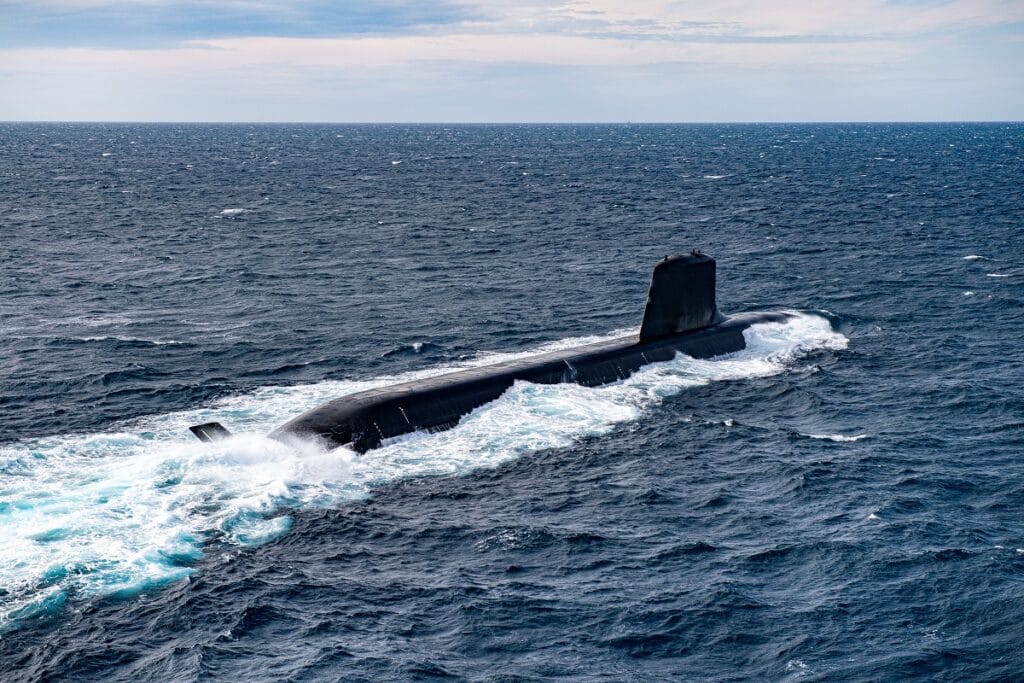
The breach, first reported by cybersecurity watchdog CyberNews, reveals that hackers infiltrated the Combat Management Systems (CMS) used aboard France’s Triomphant-class nuclear submarines – vessels armed with M51 SLBMs (submarine-launched ballistic missiles) capable of striking targets up to 10,000 kilometres away. Authorities fear hostile actors could exploit the stolen data to remotely compromise command systems, manipulate missile trajectories, or even trigger unauthorized launches – an apocalyptic scenario NATO is scrambling to mitigate.
A Blueprint for Sabotage
The stolen data reportedly includes:
- Full source code for submarine CMS networks.
- Technical schematics for missile guidance and targeting.
- Virtual machine images simulating classified combat environments.
Security analysts warn the breach could destabilize nuclear deterrence and embolden adversarial states – particularly amid escalating tensions between NATO, Russia, and China. “This isn’t just espionage; it’s a potential kill switch for France’s sea-based nuclear arsenal,” said a former French naval officer under condition of anonymity.
The Shadow of Extortion
Unlike typical ransomware attacks, the hackers – identity still unknown – have not demanded monetary payment. Instead, they issued a chilling ultimatum to Naval Group: comply with unspecified conditions or face public leaks of the trove. The lack of a financial motive suggests state-backed sabotage, with analysts pointing to Russia, China, or even insider threats as potential culprits.
French defence officials have ordered an emergency review of submarine cybersecurity protocols, while NATO allies brace for fallout. “If hostile actors gain the ability to spoof missile commands, the entire Atlantic security framework collapses,” warned a NATO liaison in Brussels.
Global Fallout
- NATO’s Nuclear Deterrence at Risk: France’s SSBNs are a key pillar of NATO’s second-strike capability. A compromised CMS could erode alliance credibility.
- AI Arms Race Implications: The breach coincides with rising AI-driven warfare – where stolen algorithms could train adversarial AI in missile evasion or deception tactics.
- Deterrence vs. Sabotage: Unlike Cold War-era safeguards, cyber-physical attacks blur the line between espionage and act of war.
France has yet to confirm the attack’s full scope, but Defence Minister Sébastien Lecornu is expected to address Parliament this week. Meanwhile, U.S. Cyber Command has reportedly offered technical assistance, signalling transatlantic alarm.
Final Thought: As cyberwarfare eclipses traditional battlefields, the Naval Group breach may mark a turning point – where stolen code becomes as deadly as a stolen warhead.
yogaesoteric
July 30, 2025