
Consumers lose the right to know what they eat
New EU rules for genetically modified vegetables and fruit from 2028
A new European regulation stipulates that genetically modified fruits and vegetables can be placed on the market without labelling as genetically modified organisms (GMOs) from 2028 onwards. While biotechnology companies welcome the development, critics argue that consumers will lose the right to know what they eat. Furthermore, the organic farming sector is threatened with collapse, explains Dutch MEP Anja Hazekamp of the Party for the Animals (PvdD). “A truly horrific development,” says grain farmer Marcel van Silfhout, from Netherlands, who advocates for a new organic label.
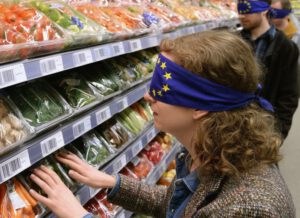
The new EU regulation 2026/1388 creates a separate legal framework for plants genetically engineered using new genomic techniques (NGT) such as targeted mutagenesis and cisgenesis. It’s a Brussels euphemism for allowing genetically modified fruits and vegetables without anyone being aware of it. If the genetic material appears to have been produced through traditional breeding, a crop will be classified as a normal plant within a year and a half, even if its core genetics have been altered.
Grain farmer Marcel van Silfhout of the GraanGeluk Foundation works on his fields and in his so-called “bakeristas” in Arnhem and Wageningen. He uses exclusively heritage regional grain varieties for natural pasta and his artisanal sourdough breads. “I’m a nature lover; I adore nature. Food developed in a laboratory just doesn’t feel right. I have the right to know what I eat, but apparently, under these new regulations, I no longer have that right.”
The regulation means that in the near future, especially in supermarkets, it will be impossible for consumers to determine whether plants, vegetables, fruits, and products containing them are genetically modified. Currently, if a product consists of more than 0.9 percent genetically modified ingredients, this needs to be stated on the label. This requirement does not apply to crops considered conventional. From 2028, a large number of genetically modified crops will be added to the list, for which this labelling requirement will no longer apply.
According to MEP Anja Hazekamp of the Party for the Animals (PvdD), the new NGT rules jeopardize consumer choice. She also predicts that they will deliver a death blow to the organic farming sector. “How is it possible that the future of the entire organic sector is being put at risk here?” she asked rhetorically during a debate in the European Parliament, answering her own question. “This is possible because the biotechnology industry has done everything in its power to abolish the rules for genetic engineering. To top it all off, large seed companies are given free rein to patent plants, traits, and techniques involved in the production of our food.”
Agrochemical companies, that is, companies that produce chemical products for agriculture, welcome the new regulations. They anticipate profits, also due to all the patents they have filed in recent decades. Genetically modified beans, wheat, poppies, rice, and potatoes are more resistant to drought, fungi, and extreme climate modifications because of alterations to their DNA, they explain.
Studies have shown that discerning consumers aren’t exactly waiting for GMO foods. Brussels, however, is pushing them through – with its obfuscating labels. The Arctic Granny apple variety, for example, browns less quickly when cut or bruised due to a genetic modification that reduces the activity of the enzyme polyphenol oxidase (PPO). Grapes and potatoes can be made resistant to fungi or larvae, food tech companies boast. The onions might, from 2028 onwards, be sprayed with the PFAS pesticide oxathiapiprolin from Corteva Agriscience, the agricultural division of DowDuPont – a merger of the chemical and agricultural giants Dow Chemical and DuPont.
Your dinner could potentially contain corn bred using CRISPR technology – a manipulation of DNA. Syngenta, part of ChemChina, is also working on developing new corn varieties with desired traits. The cauliflower may be sprayed with the PFAS pesticide fluopyram from Bayer CropScience. The EU and technology food companies are selling all of this as a solution in the fight against diseases and pests, global warming, the alleged nitrogen problem caused by today’s agricultural sector, and looming food shortages.
In practice, however, it primarily means a completely new, multi-billion-dollar industry that determines what ends up on consumers’ plates. The debate about whether GMO foods are even nutritious or carcinogenic is far from over. But because of the new regulations, in the future no one will be able to know what actually ends up on their plate.
This is just the beginning of a new development. Japan and Korea claim to have developed a genetically modified tomato that could reduce stress. Sana Tech Seed has altered an enzyme, resulting in a “super tomato” that contains five times more GABA than a normal variety. This neurotransmitter affects blood pressure and may have other neurological effects, such as improved sleep, the developers claim.
Van Silfhout, meanwhile, is advocating for a new organic label so that consumers at least retain their freedom of choice. Odin, the largest organic food cooperative in the Netherlands, is proposing its own logo for organic products so that everyone can recognize that they are free of genetic engineering.
“We are disappointed that the European Parliament has bowed to the power of the agricultural lobby. It is also worrying that, now that all the barriers have been broken, there is apparently more and more room for the genetic modification of microorganisms and animals. Therefore, we are examining, together with partners, whether we can file a lawsuit against the introduction of this legislation. This is also going on at the European level.”
The food monitoring organization Foodwatch believes that consumer rights are being severely violated and describes this as a step backwards. “We believe that consumers have a right to transparency.” MEP Hazekamp from the Labour Party (PvdD) warns that genetic engineering is not the answer to the major problems facing the food system. “It does not lead to food security. Rather, genetic engineering increases dependence on artificial fertilizers, pesticides, and multinational corporations. It leads to larger farms, monocultures, and the demise of small farmers.”
yogaesoteric
September 30, 2026